


Unraveling the mystery around pancreatitis starts here. In layman’s terms, pancreatitis is simply an inflammation of the pancreas. It’s a condition often misunderstood and can be frightening for many. But with the expert guidance of a gastroenterologist, we aim to shed light on this topic. In an unexpected twist, we’ll also explore the connection to Cypress acid reflux. This journey to comprehension is about to begin. Let’s dive in.
Understanding Pancreatitis
Pancreatitis happens when the pancreas gets inflamed. This organ, tucked behind the stomach, plays a crucial role in digesting food. But sometimes, digestive enzymes start working too soon. They attack the pancreas, causing inflammation.
The symptoms can vary. Some people feel a sharp pain in the upper abdomen. Others may feel sick or vomit. It’s even possible to have pancreatitis without any symptoms at all.
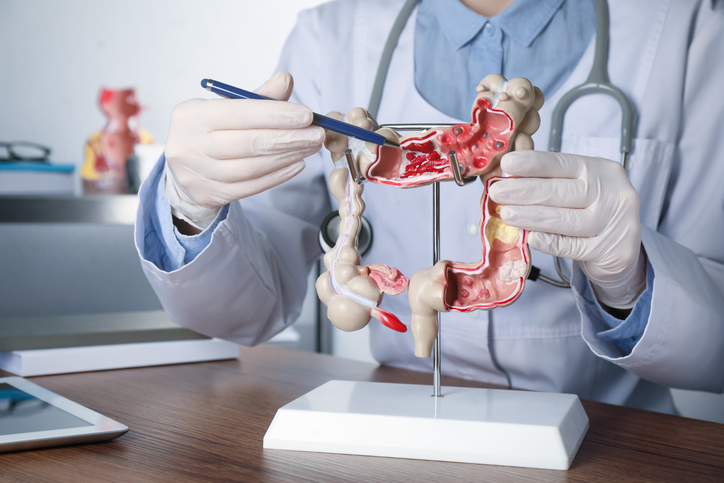
Types of Pancreatitis
There are two main types of pancreatitis: acute and chronic. Acute pancreatitis is sudden and short-lived. Chronic pancreatitis is long-lasting and can lead to permanent damage. Let’s look at a quick comparison:
| TYPES OF PANCREATITIS | ACUTE PANCREATITIS | CHRONIC PANCREATITIS |
|---|---|---|
| Symptoms | Sudden, severe pain in the upper abdomen | Recurring abdominal pain, weight loss, oily stools |
| Treatment | Fluids, pain relief, sometimes surgery | Pain management, enzyme supplements, sometimes surgery |
| Outcome | Usually recovers fully | Can lead to permanent damage |
The Link to Acid Reflux
Acid reflux, or gastroesophageal reflux disease (GERD), is more than just heartburn. It’s a condition where stomach acid frequently flows back into the tube that connects your mouth and stomach. This can irritate the lining of your esophagus and could lead to more serious conditions, like pancreatitis.
Understanding this link helps us prevent and manage pancreatitis better. It underscores the importance of maintaining gastrointestinal health.
Let’s keep inquiries at bay and awareness in play. Seek professional advice from a gastroenterologist if you’re experiencing symptoms or need more information. Knowledge is power. Let’s use it to take control of our health.
