

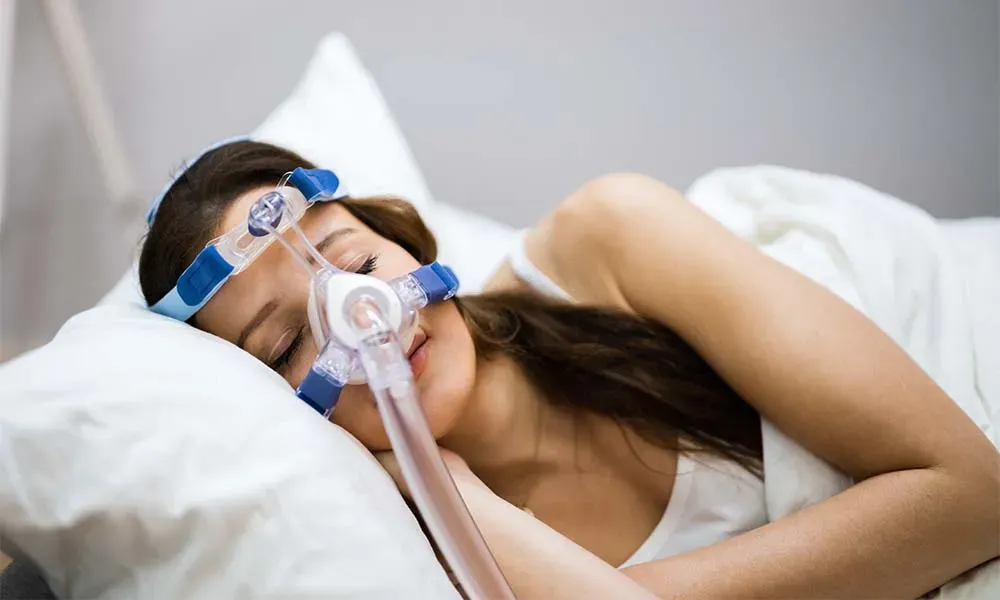
Sleep apnea is a common yet often undiagnosed sleep disorder that can have significant implications for your overall health. Characterized by interruptions in breathing during sleep, it affects millions of people worldwide. If left untreated, sleep apnea can lead to serious health issues such as cardiovascular disease, high blood pressure, and diabetes. In fact, consulting with a dentist in Fort Lee, NJ, early on will help you ease the treatment of sleep apnea.
Here are the top six signs you might be suffering from sleep apnea.
1. Loud Snoring
Loud snoring is one of the most prevalent symptoms of sleep apnea. While not everyone who snores has sleep apnea, almost everyone with sleep apnea snores. This snoring is usually loud and disruptive, often accompanied by choking or gasping sounds as the person briefly stops breathing and then resumes. So, if your partner frequently complains about your snoring, it may be more than just an annoyance and it’s worth investigating.
2. Daytime Sleepiness
Another hallmark of sleep apnea is excessive daytime sleepiness. People with sleep apnea often wake up multiple times throughout the night, even if they are not consciously aware of these awakenings. This disrupts the natural sleep cycle, leading to poor quality sleep and resulting in constant fatigue and drowsiness during the day. So, if you find yourself needing naps frequently, struggling to stay awake at work, or feeling unusually tired despite getting what should be enough sleep, sleep apnea could be the culprit.
3. Morning Headaches
Frequent morning headaches can also be a sign of sleep apnea. These headaches are typically caused by fluctuations in oxygen levels and carbon dioxide buildup during sleep due to interrupted breathing. The headaches often feel like tension headaches and can persist for hours after waking. So, if you regularly wake up with a headache, especially if it’s accompanied by other symptoms on this list, it might be time to consult a healthcare professional.
4. Difficulty Concentrating
Sleep apnea can severely impact your cognitive functions, leading to difficulty concentrating, forgetfulness, and a measurable decline in performance at work or school. The fragmented sleep caused by sleep apnea means that your brain doesn’t get the rest it needs to function optimally. Over time, this can affect your memory, decision-making abilities, and overall mental clarity. If you find yourself becoming increasingly forgetful or having trouble focusing, sleep apnea might be affecting your brain’s ability to recharge.
5. Irritability and Mood Changes
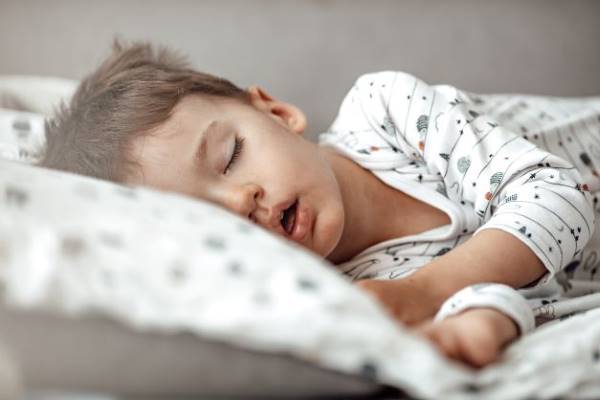
Interrupted sleep can also take a toll on your emotional well-being. In fact, chronic sleep deprivation from sleep apnea can lead to irritability, mood swings, and even depression. The constant fatigue and lack of quality rest can also make you more prone to frustration and less able to handle stress. So, if you notice significant changes in your mood or find yourself getting irritated more easily than usual, it might be worth exploring whether sleep apnea is contributing to these changes.
6. High Blood Pressure
High blood pressure is both a symptom and a potential consequence of untreated sleep apnea. The repeated drops in blood oxygen levels that occur during apneic episodes cause the body to release stress hormones, which in turn raise heart rate and increase blood pressure. Over time, this can contribute to the development of hypertension. Therefore, if you have high blood pressure that is difficult to control, especially if you also exhibit other signs of sleep apnea, it’s essential to address the possibility of an underlying sleep disorder.
Conclusion
Sleep apnea is a serious condition that can significantly impact your health and quality of life. If you recognize any of these signs in yourself or a loved one, it’s crucial to seek medical advice. A healthcare professional can conduct a sleep study to diagnose the condition and recommend appropriate treatments, which may include lifestyle changes, continuous positive airway pressure (CPAP) therapy, or other interventions. Remember, early diagnosis and treatment of sleep apnea can help you reclaim restful nights and improve your overall health and well-being.
