

Key Takeaways
- Neurological physiotherapy supports recovery after stroke, brain injury and nerve disorders
- Targeted exercises retrain the brain and body to improve mobility and coordination
- Early and consistent therapy enhances long-term functional outcomes
- A physiotherapy clinic in Singapore can tailor programmes to individual goals and lifestyles
Introduction
A sudden loss of movement can feel frightening. One day, walking to the hawker centre feels routine; the next, even standing upright seems uncertain. Neurological conditions such as stroke, Parkinson’s disease or spinal cord injury can disrupt the body’s signals, leaving muscles weak, stiff or uncoordinated.
This is where neurological physiotherapy plays a crucial role. It focuses on restoring movement, rebuilding confidence and helping individuals regain independence step by step. While recovery is rarely linear, structured rehabilitation offers a clear path forward.
When The Brain Needs Retraining
The nervous system is complex, yet surprisingly adaptable. After an injury, the brain can form new pathways, a process known as neuroplasticity. But it does not happen by chance. It needs repetition, guidance and challenge.
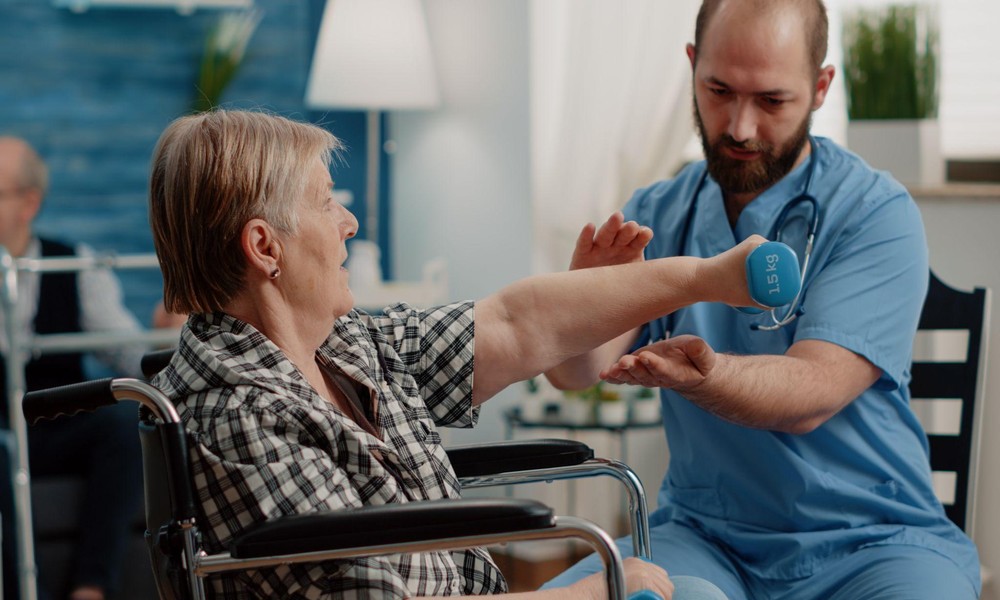
Neurological physiotherapy uses targeted exercises to stimulate these new pathways. For someone recovering from a stroke, that might mean practising weight shifts, relearning how to grip a cup or retraining walking patterns. It can look simple on the surface. In reality, each movement is carefully designed to encourage the brain to reconnect with the body.
Progress can be slow. Some days feel like a leap forward; others feel frustrating. Still, repetition matters. The nervous system responds to consistency.
Rebuilding Strength Without Ignoring Control
Muscle weakness is common after neurological injury, yet strength alone is not the full story. A person may have adequate muscle power but still struggle with balance or coordination. That is why neurological physiotherapy blends strengthening work with control-based training.
Therapists often combine resistance exercises with balance drills, gait training and functional tasks. Standing from a chair, climbing stairs in an HDB block, or turning safely in a narrow corridor become part of therapy. Real life is the training ground.
In a physiotherapy clinic in Singapore, equipment such as parallel bars, balance boards and resistance bands supports this process. Although the environment may feel clinical, the goals remain deeply personal, whether it is walking independently to the MRT, showering without the fear of falling, or being able to carry groceries again with confidence.
Small Movements, Big Impact
Sometimes progress appears in subtle ways, such as a steadier step, a smoother reach, or feeling less fatigued by the end of the evening. These changes may seem minor, but they signal that the nervous system is adapting.
Neurological physiotherapy often breaks complex tasks into smaller, more manageable components. If walking feels overwhelming, therapy may begin with improving sitting balance, then progress to building standing tolerance, and eventually move on to stepping in place. Each stage is carefully structured to build upon the last, creating steady and meaningful progress over time.
There is a quiet logic to it. Just as a child learns to crawl before walking, the body relearns foundational skills before tackling complex movements. It may sound basic, yet the science behind it is precise and evidence-driven.
Consistency also matters. Attending sessions at a physiotherapy clinic in Singapore provides structured supervision, but home exercises reinforce those gains. Recovery does not pause once a session ends.
Addressing More Than Movement
Mobility is not purely physical. Fear of falling, frustration and low confidence can slow progress. A person who hesitates to move will move less, and that reduced activity can lead to further stiffness or weakness.
Neurological physiotherapy addresses this psychological layer too. Therapists encourage graded exposure to tasks that feel daunting, celebrating small wins along the way and adjusting goals whenever necessary. The process is grounded in clinical expertise, yet it remains deeply human in its approach and support.
Family involvement is often encouraged. In many Singaporean households, loved ones play a central role in caregiving. When caregivers understand proper transfer techniques or safe walking support, recovery becomes safer and more sustainable.
The environment outside the clinic matters. Narrow lift lobbies, busy void decks and uneven pavements present real challenges. Therapy that considers these local realities feels far more practical.
Why Early Intervention Counts
There is a window after neurological injury where the brain is particularly responsive to rehabilitation. Starting neurological physiotherapy early can maximise this opportunity. That said, improvement remains possible even months or years later. The nervous system retains a degree of adaptability throughout life.
Early intervention often reduces complications such as joint stiffness, muscle contractures or poor posture. It also sets realistic expectations. Recovery is not magic. It requires patience, guided effort and persistence.
At a physiotherapy clinic in Singapore, assessments typically include balance tests, gait analysis and functional evaluations. From there, a personalised programme takes shape. No two recovery journeys look the same.
Conclusion
Neurological conditions can alter daily life in an instant. Yet with structured rehabilitation, mobility and independence are not lost causes. Neurological physiotherapy provides a focused, evidence-based pathway to regain strength, coordination and confidence.
Recovery may feel uneven. It may test patience. But step by step, movement returns. Function improves. Independence grows.
For those seeking professional support, consulting a trusted physiotherapy clinic in Singapore can make all the difference. Reach out to Rehab & Beyond today to explore how personalised rehabilitation can support a stronger, steadier tomorrow.
