

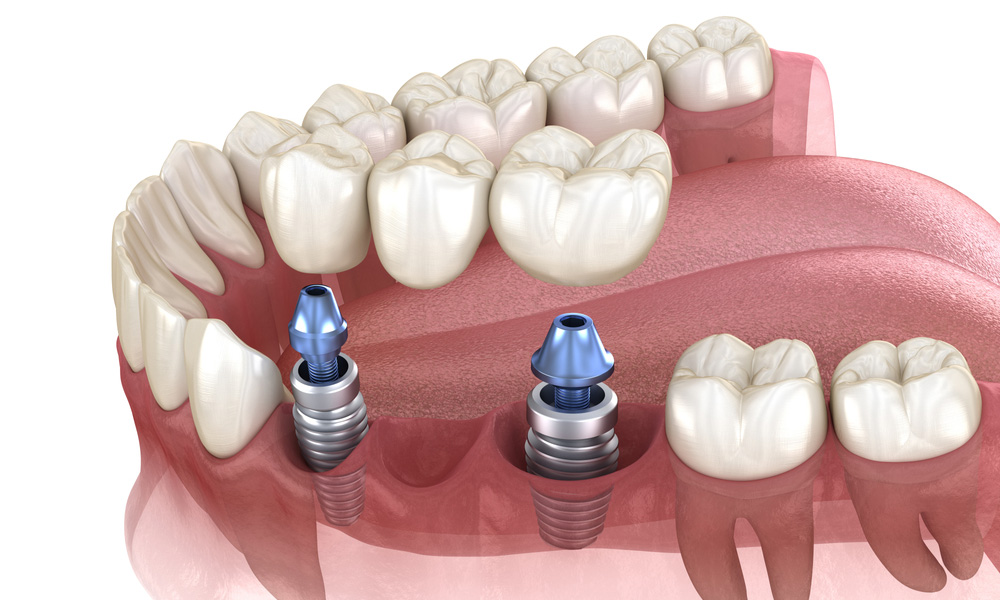
Dental crowns are a transformative solution for restoring damaged, decayed, or misshapen teeth, revolutionizing both oral health and aesthetic appeal. By encasing the entire tooth, crowns reinforce weakened structures and enhance the natural beauty of your smile. More than just a cosmetic fix, dental crowns prevent further decay, reduce tooth sensitivity, and support adjacent teeth, thereby promoting optimal oral function and overall well-being.
Whether addressing dental trauma, severe cavities, or congenital imperfections, crowns offered by the Fresno family dentist provide a durable, long-lasting solution that revitalizes confidence and rejuvenates the appearance of your teeth.
An introduction to dental crowns
Dental crowns are prosthetic restorations that completely encase a damaged, decayed, or misshapen tooth, restoring its natural shape, size, and function. A crown is a tooth-shaped cap, typically fabricated from porcelain, ceramic, gold, or composite materials, that is cemented or bonded over the affected tooth. Designed to withstand the forces of biting and chewing, dental crowns provide a durable and long-lasting solution for teeth compromised by decay, trauma, or congenital imperfections. By covering the entire tooth, crowns also improve aesthetic appeal, enhancing the color, alignment, and overall appearance of the smile.
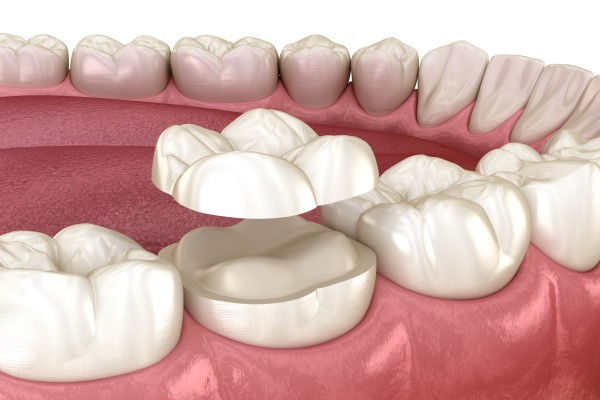
How do dental crowns improve oral health and smile?
Dental crowns improve oral health and smile in several ways:
Oral Health Benefits
- Prevent Further Decay: Crowns seal damaged teeth, preventing bacteria growth and further decay.
- Reduce Tooth Sensitivity: Crowns shield nerves, minimizing sensitivity.
- Support Adjacent Teeth: Crowns maintain proper tooth alignment, preventing shifting or movement.
- Restore Chewing Efficiency: Crowns restore normal tooth function, enabling proper chewing and digestion.
- Protect Against Tooth Fracture: Crowns reinforce weakened teeth, reducing the risk of fracture.
Smile Aesthetic Benefits
- Enhance Tooth Color: Crowns can match adjacent teeth, improving the overall smile appearance.
- Improve Tooth Alignment: Crowns can correct minor misalignments, enhancing smile symmetry.
- Restore Tooth Shape: Crowns can reshape misshapen teeth, improving smile aesthetics.
- Boost Confidence: A healthy, beautiful smile enhances self-esteem.
- Revitalize Smile Radiance: Crowns can replace discolored or stained teeth, revitalizing smile radiance.
Additional Benefits
- Long-Term Solution: With proper care, crowns can last 10-30 years.
- Versatility: Crowns can be used for various dental issues, including implants, bridges, and root canals.
- Comfort: Crowns can alleviate discomfort caused by damaged or decayed teeth.
- Improved Speech: Crowns can improve articulation and speech clarity.
- Enhanced Overall Health: By restoring oral function, crowns can improve overall health and well-being.
The procedure involved in fabricating dental crowns
The dental crown procedure typically involves the following steps:
Pre-Procedure Preparation
- Initial Consultation: Discuss treatment options, costs, and expectations.
- Examination and Diagnosis: Evaluate tooth condition, take X-rays, and diagnose any underlying issues.
- Anesthesia Planning: Determine anesthesia needs (local anesthesia, sedation, or general anesthesia).
Procedure Steps
Step 1: Tooth Preparation (10-30 minutes)
- Anesthesia Administration: Numb the tooth and surrounding area.
- Tooth Shaping: Shape the tooth to accommodate the crown.
- Removal of Decay or Damage: Remove any decay or damaged areas.
Step 2: Impressions (10-15 minutes)
- Take Impressions: Create molds of the prepared tooth and surrounding teeth.
- Bite Registration: Record the patient’s bite.
Step 3: Temporary Crown Placement (10-15 minutes)
- Temporary Crown Fabrication: Create a temporary crown.
- Temporary Crown Placement: Cement the temporary crown.
Step 4: Final Crown Fabrication (off-site, 1-2 weeks)
- Crown Fabrication: Create the final crown using impressions and specifications.
- Quality Control: Verify crown accuracy and aesthetics.
Step 5: Final Crown Placement (10-30 minutes)
- Anesthesia Administration (if necessary).
- Remove Temporary Crown: Remove the temporary crown.
- Final Crown Try-In: Verify fit, aesthetics, and function.
- Final Crown Cementation: Cement the final crown.
Dental crowns offer a comprehensive solution for restoring oral health and enhancing smile aesthetics. By understanding the benefits, types, and procedures, you can make informed decisions about your dental care. With proper care and maintenance, dental crowns can provide a lifetime of confident smiling.
