


Primary care is the cornerstone of any health system. In rural areas, it takes center stage. A shining example is the federal way primary care express. This model shows us the power of primary care and its significance in rural healthcare. It offers a beacon of health and hope in regions where hospitals are miles away. This blog will delve into why primary care holds such importance in rural health settings. It will shed light on the unique challenges faced and the innovative solutions being used to overcome them.
The Unique Challenges of Rural Healthcare
Rural healthcare has its own set of challenges. Limited access to specialty care, fewer resources, and a more spread-out population are key hurdles. Let’s look at some data:
| CHALLENGES | URBAN AREA | RURAL AREA |
|---|---|---|
| Access to specialty care | High | Low |
| Resources | Abundant | Limited |
| Population density | Dense | Spread out |
The Role of Primary Care
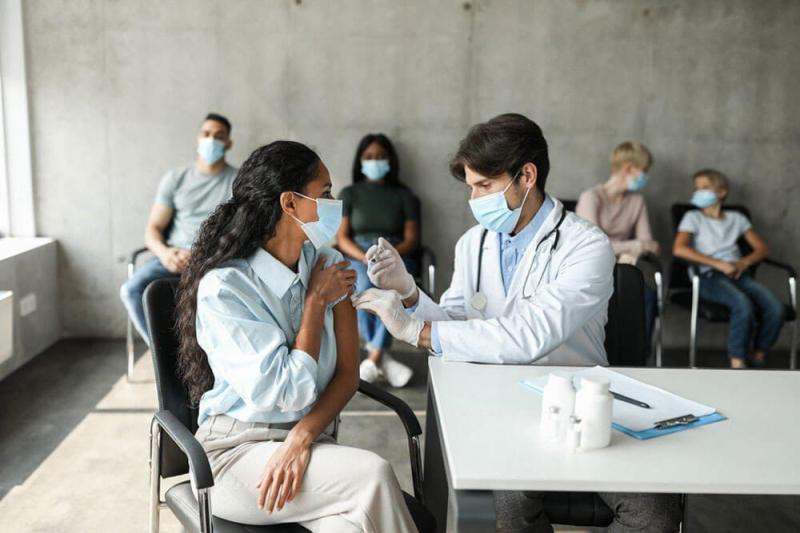
Despite these challenges, primary care providers play a crucial role in rural areas. They give first-contact, ongoing, and comprehensive care. They manage most health issues, reducing the need for specialty care. Their role cannot be overstated.
Lessons from the Primary Care Express
The primary care express model provides crucial insights. This model leverages telemedicine, nurse practitioners, and community health workers. It overcomes barriers of distance and lack of specialists. It is a beacon of innovation and hope for rural healthcare.
Conclusion
Primary care is a vital part of rural healthcare. It adapts to challenges and finds innovative solutions for rural communities. The future of rural healthcare lies in strengthening primary care.
For more information about the role and importance of primary care providers, please visit CDC’s Primary Care page.
