

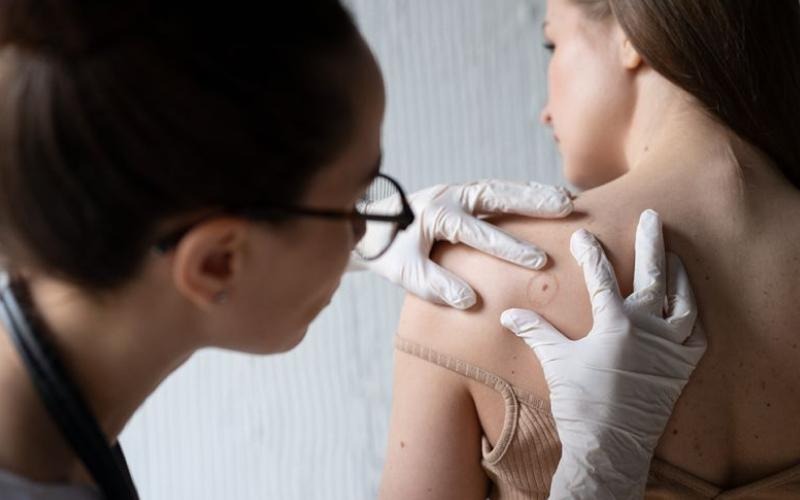
Keloid scars can affect both appearance and comfort, leading many individuals in Singapore to explore treatment options that address these concerns directly. Before beginning keloid scar treatment, it is crucial to understand how these scars form, what treatments aim to achieve, and the considerations that influence outcomes. With several methods available, including the potential use of collagen filler in selected cases, patients can make more informed decisions when consulting aesthetic clinics or medical professionals.
How Keloid Scars Form and Why Treatment Varies
Keloids develop when the body produces excess collagen during the healing process; instead of settling into a flat scar, the tissue grows beyond the original wound and continues thickening over time. This growth pattern differentiates keloids from hypertrophic scars, which stay within the wound boundary. Understanding this distinction helps patients know why keloid scar treatment often requires a tailored approach rather than a single universal method. Each scar behaves differently depending on its size, age, and location on the body.
Some individuals may also have a stronger tendency to form keloids due to genetics or previous scarring patterns. This makes initial consultation important, as a doctor evaluates medical history, lifestyle factors, and the behaviour of past scars. Aesthetic clinics in Singapore, including Veritas Medical Aesthetics, usually assess these details before recommending a treatment plan. Early evaluation helps set realistic expectations, especially since keloids may require multiple sessions or combined techniques to achieve meaningful improvements.
Common Treatment Options and When Collagen Filler May Be Used
Keloid scar treatment typically involves several medical approaches, each addressing the scar in different ways. Steroid injections, for example, help reduce inflammation and soften raised tissue, making the scar less prominent. Other methods include laser therapy, cryotherapy, and surgical excision in selected cases. These treatments aim to flatten or reduce the size of the keloid, while improving texture and comfort. Many patients benefit from a combination of methods, which aesthetic doctors select based on how the scar responds over time.
Collagen filler may be considered when the scar has caused a depression after earlier treatments or when the surrounding tissue requires volume correction. While collagen fillers do not directly treat keloids, they can support overall aesthetic balance when used with ongoing scar management. In such cases, the filler works to even out the skin surface rather than addressing the scar tissue itself. Aesthetic doctors may suggest this option only after the active keloid has stabilised or flattened sufficiently.
What to Expect During the Treatment Process
Before starting keloid scar treatment, patients should understand that progress can take time. Most treatments require multiple sessions to reduce scar thickness and improve texture. The response varies, and aesthetic doctors monitor changes to adjust the treatment plan when needed. Patients should also expect some downtime depending on the selected approach, although most procedures allow a quick return to daily activities. During consultations, professionals discuss potential side effects, such as temporary redness or discomfort, to ensure patients are prepared.
It is also beneficial to understand that keloids may recur, especially if the underlying tendency remains strong. Consistent follow-up helps manage this risk. Some aesthetic clinics may recommend maintenance sessions or topical applications to support ongoing improvement. If patients are considering complementary procedures such as collagen filler, it’s crucial to consider timing and sequencing. The aesthetic doctor will determine when it is appropriate to introduce additional treatments without interfering with scar management.
Key Considerations Before You Begin Treatment
Before committing to any treatment plan, patients should consider a few crucial factors.
Key considerations include:
- Understanding that results vary depending on scar type and duration
- Discussing all available methods during consultation
- Reviewing potential downtime and aftercare commitments
- Confirming whether combination treatments may be necessary
Patients should also choose aesthetic clinics with experience in managing keloids, as treatment requires careful technique and monitoring. Aesthetic clinics, such as Veritas Medical Aesthetics, provide assessments that help patients understand their options clearly. Preparing questions in advance can help patients evaluate whether the recommended plan aligns with their expectations.
Conclusion
Keloid scar treatment involves understanding how keloids behave, what methods are suitable, and how long the process may take. With proper assessment and clear expectations, patients can navigate treatment options more confidently, while improving both comfort and appearance.
Contact Veritas Medical Aesthetics to explore structured keloid scar treatment options based on your specific needs.
