


Anesthesiologists play a crucial role in modern medicine. They ensure patient comfort and safety during surgery. With technological advancements, their work continues to evolve. These changes enhance precision and reduce risks. Take, for example, the management of chronic pain, like back pain Great Neck. New tools and techniques allow anesthesiologists to improve patient care. Let’s explore how these innovations are shaping the future of anesthesia.
Enhanced Monitoring Systems
Monitoring systems have become more advanced and sophisticated. Anesthesiologists now have real-time data at their fingertips. This includes heart rate, blood pressure, and oxygen levels. These systems help in the early detection of any irregularities. Quick responses can prevent complications. According to the FDA, continuous monitoring is essential for patient safety.
Robotics in Anesthesia
Robotic systems are not just for surgeons. They are making their mark in anesthesia too. Robots assist in delivering anesthesia precisely. This reduces human error and enhances safety. They can control drug dosages with high accuracy. Robotics also free up anesthesiologists to focus on critical decision-making. The integration of robotics promises a safer operating room environment.
Data-Driven Decisions
Big data is transforming healthcare, including anesthesia. Anesthesiologists can access a wealth of information. This data helps in making informed decisions. Predictive analytics can foresee potential issues. It can guide the anesthesiologist in tailoring anesthesia plans. Personalized care leads to better outcomes. The National Institutes of Health supports the use of data in improving medical procedures.
Innovative Pain Management Techniques
Pain management is a vital aspect of anesthesia. New techniques are emerging to address this. Nerve blocks and local anesthesia are gaining popularity. They are effective with minimal side effects. Anesthesiologists are also using non-drug methods. Techniques like acupuncture and physical therapy are part of this mix. These innovations offer patients more options for pain relief.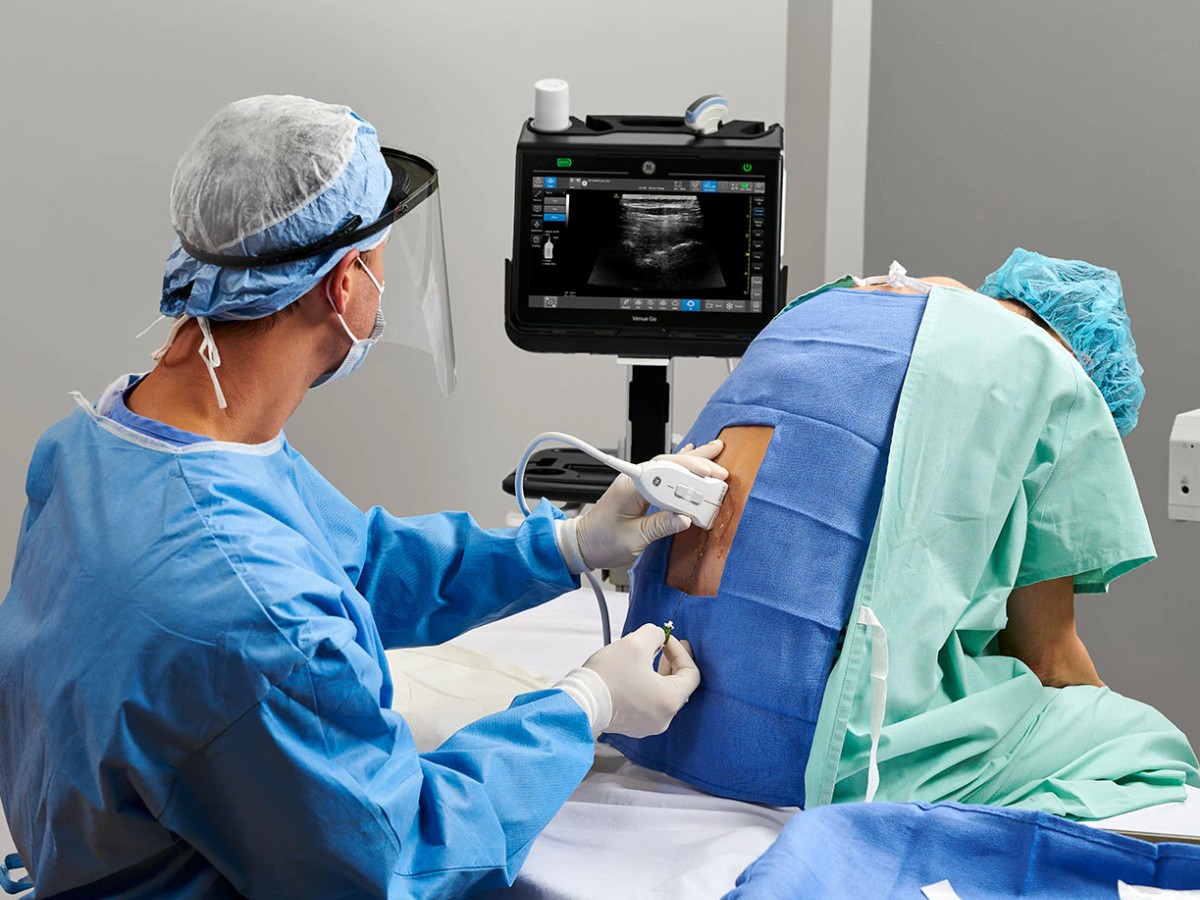
Comparison of Traditional vs. Technological Approaches
| Aspect | Traditional Approach | Technological Approach |
|---|---|---|
| Monitoring | Manual checks | Automated systems |
| Drug Delivery | Manual dosage control | Robotic assistance |
| Pain Management | Standard medication | Personalized plans |
Future Prospects
The future of anesthesia is bright with technology. Virtual reality is being explored for pain management. It offers distractions that reduce pain perception. AI is another area of interest. It can predict patient responses and adjust anesthesia accordingly. Continuous research and innovation promise to keep improving patient outcomes.
Anesthesiologists must stay informed about these changes. Adaptation and continuous learning are key. Embracing technology helps in providing better patient care. It reduces risks and enhances efficiency. The integration of new tools and techniques is essential for progress in anesthesia.
As the landscape of healthcare changes, so does the role of anesthesiologists. Technological advancements are empowering them to deliver safer and more effective care. The journey of innovation continues, promising a healthier future for all.
