

Biomechanics is an interdisciplinary field that studies how forces interact with living organisms, particularly the human body. It combines principles from biology and mechanics to understand how muscles, bones, and joints work together to create movement. Exploring biomechanics helps scientists, therapists, and engineers improve physical performance, prevent injuries, and design innovative solutions for rehabilitation and sports. By bridging biology and mechanics, this field provides insights into the structure and function of the body, offering practical applications for health, fitness, and technology.
Let us explore five ways biomechanics blends biology and mechanics to advance human health and understanding.
Understanding muscle and joint mechanics
Biomechanics examines how muscles and joints move by applying mechanical principles like force, leverage, and torque. It helps us understand how different parts of the body work together to perform actions like walking, running, or lifting. For instance, analyzing the mechanics of the knee joint can reveal how forces are distributed during movement, which is essential for improving athletic performance or creating effective rehabilitation programs.
Preventing and treating injuries
By combining biological knowledge with mechanical analysis, biomechanics identifies factors that lead to injuries. For example, it studies how improper movement patterns or repetitive stress can cause strain on muscles and joints. This understanding helps professionals develop strategies to correct movements, strengthen weak areas, and prevent injuries. It also aids in creating personalized treatment plans for individuals recovering from injuries, ensuring safe and effective rehabilitation.
Enhancing athletic performance
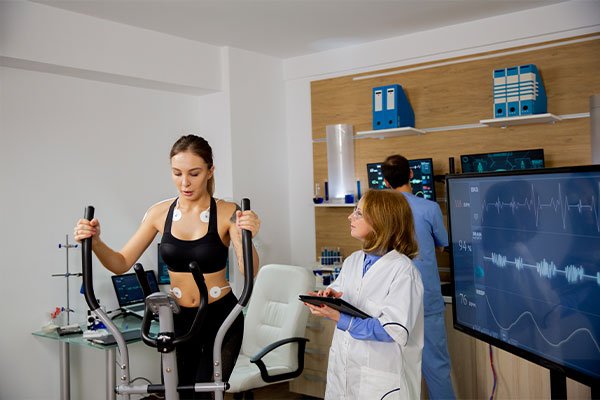
Biomechanics plays a vital role in optimizing sports performance. By analyzing how athletes move, it identifies areas where efficiency can be improved. For example, understanding the mechanics of a runner’s stride or a swimmer’s stroke can help coaches refine techniques to increase speed and reduce fatigue. This field also contributes to the design of sports equipment, such as shoes or protective gear, to enhance performance and safety.
Innovating prosthetics and assistive devices
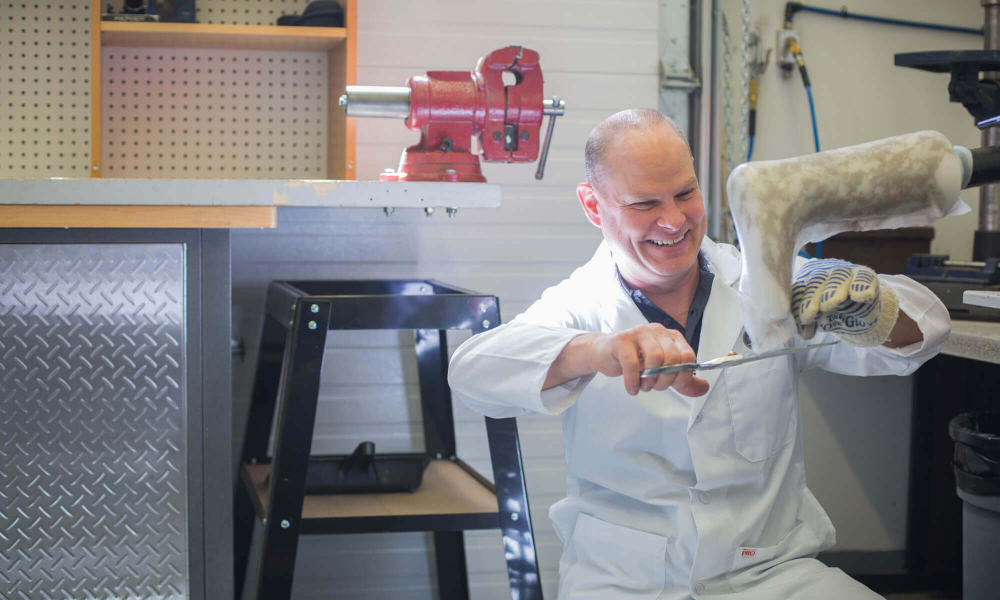
The field of biomechanics is instrumental in designing prosthetics and other assistive devices that mimic natural movements. By studying how the body moves, engineers can create prosthetics that align with the user’s unique biomechanics, improving functionality and comfort. For example, advanced prosthetic legs now enable users to walk or run with a more natural gait, thanks to insights gained from biomechanics.
Improving ergonomics and workplace safety
Biomechanics is also applied to ergonomics, the study of designing tools and workspaces that reduce strain and improve efficiency. By understanding how the body interacts with its environment, experts can recommend better postures, tools, or workstations. For example, biomechanics helps in designing ergonomic chairs that support the spine or keyboards that minimize wrist strain, reducing the risk of repetitive stress injuries.
To conclude
Exploring biomechanics reveals how biology and mechanics work together to explain and improve movement. From treating injuries to enhancing athletic performance and designing advanced technology, this field has countless applications that benefit individuals and society. By continuing to unlock the mysteries of biomechanics, we can move closer to a future where health, performance, and quality of life are improved for everyone.
