

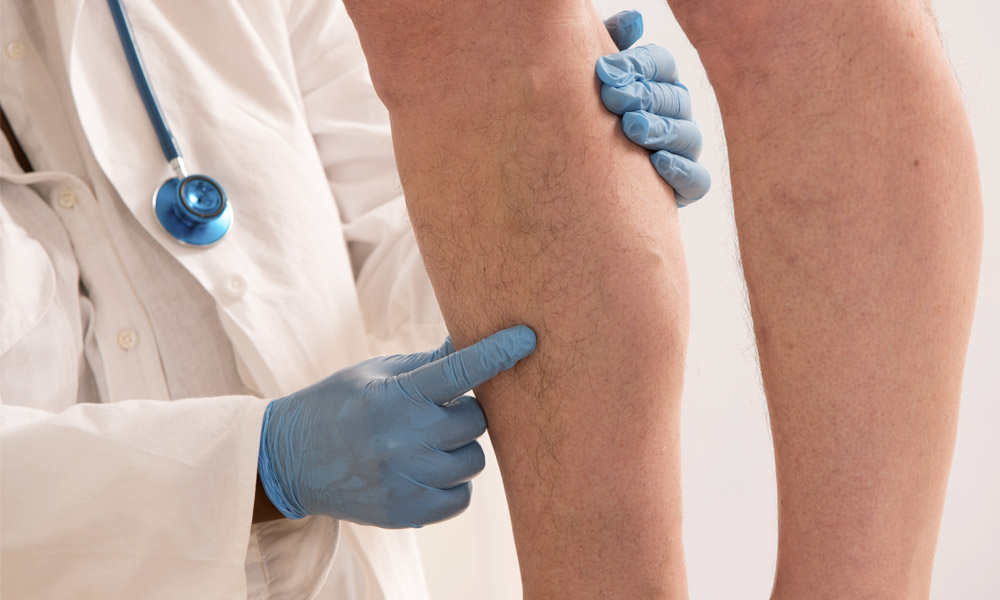
Welcome to a fresh perspective on heart health. Today, we explore a not-so-obvious link between cardiologists and vascular diseases. At the center of this exploration is Port Saint Lucie leg swelling. This condition, commonly seen by cardiologists, may seem unrelated to heart matters. But, it holds critical signs of underlying vascular issues. By understanding this connection, we can open new paths in treating and preventing heart-related ailments.
Unraveling the Mystery of Leg Swelling
Often, leg swelling is shrugged off as a sign of age or fatigue. Yet, it could be signaling something more severe. When blood doesn’t flow well, it can cause swelling. This can be due to a weak heart or issues with the veins. Both of these fall under a cardiologist’s expertise.
The Heart and Veins: A Vital Connection
The heart is like a pump and the veins are the pipes. If either fails, you get issues like leg swelling. In this way, heart health ties in closely with the health of your veins. Cardiologists, therefore, play a crucial role in managing vascular diseases.
Table: Comparing Heart and Vein Health Symptoms
| Heart Health Symptoms | Vein Health Symptoms |
| Chest pain | Leg swelling |
| Shortness of breath | Visible varicose veins |
| Fatigue | Leg heaviness or fatigue |
Preventing Vascular Diseases
Prevention begins with awareness. By linking heart and vein health, we hope to inspire healthier choices. Regular exercise, a balanced diet, and routine check-ups can go a long way. Check-ups can help spot early signs, allowing for timely treatment.
Conclusion
So, it’s clear that cardiologists and vascular diseases are more connected than they seem. The next time you think about heart health, remember it’s not just about the heart itself. It’s about the whole circulatory system, from the heart to the tiniest veins in your legs.
