

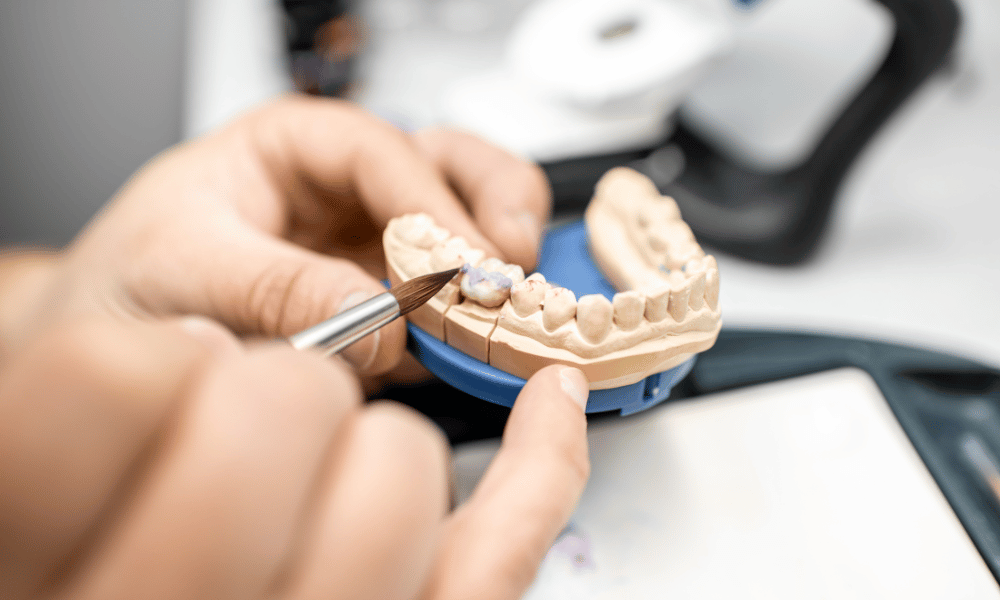
Dental crowns Honolulu HI are a popular restorative dentistry solution for damaged, decayed, or weakened teeth. They are precisely customized according to your dentition to offer maximum fit and comfort. While they offer numerous benefits, their durability is a crucial aspect to consider. The lifespan of dental crowns varies depending on several factors, which will be explored further in this article. So scroll down!
What are dental crowns?
A dental crown is a custom-made, tooth-shaped restoration that completely covers a damaged, decayed, or weakened tooth, restoring its shape, size, strength, and appearance. Typically made from ceramic, porcelain, gold, or composite materials, crowns are designed to encase the entire tooth, from the gum line to the chewing surface, providing a protective barrier against further damage or decay. By covering the tooth, a crown also improves its aesthetic appeal, blending seamlessly with surrounding teeth to create a natural-looking smile.
How long do dental crowns last?
Dental crowns are a durable and long-lasting restorative solution, but their lifespan can vary depending on several factors. On average, dental crowns can last between 5 to 15 years, with some lasting up to 25 years or more with proper care and maintenance. The material used for the crown, oral hygiene habits, bite forces, and overall health of the underlying tooth can all impact the crown’s durability.
With regular dental check-ups, good oral hygiene, and avoidance of excessive forces or habits, dental crowns can provide a decade or more of reliable service, restoring the appearance, function, and health of your smile.
What factors affect the durability of dental crowns?
Here are the factors affecting dental crown durability:
- Material: Different materials have varying levels of durability (e.g., gold, porcelain, ceramic, composite).
- Oral hygiene: Poor oral hygiene can lead to decay or gum disease, affecting crown durability.
- Bite forces: Excessive biting or grinding forces can cause crowns to crack or break.
- Gum recession: Gum recession can expose the crown margin, leading to decay or sensitivity.
- Diet: Consuming hard or sticky foods can damage crowns.
- Maintenance: Regular dental cleanings and check-ups can help extend crown lifespan.
- Quality of the crown: The skill of the dentist and the quality of the crown can impact durability.
- Underlying tooth structure: The condition of the underlying tooth can affect crown longevity.
- Gum disease: Gum disease can lead to crown failure.
- Age: Crowns may need replacement due to natural wear and tear over time.
- Habits: Habits like nail-biting, ice-chewing, or using teeth as tools can damage crowns.
- Jaw alignment: Misaligned jaws can put excessive force on crowns, affecting durability.
- Crown design: The design and fit of the crown can impact its durability.
- Cementation: The quality of the cementation process can affect crown retention.
How to extend the life of dental crowns?
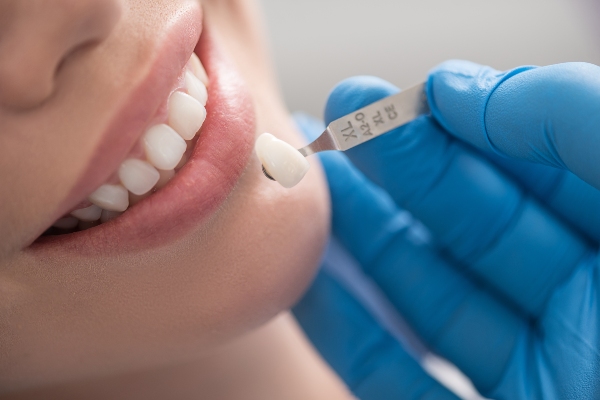
To extend the lifespan of a dental crown:
- Brush and floss regularly to prevent decay and gum disease.
- Refrain from biting or grinding forces, and consider a mouthguard for bruxism.
- Avoid hard or sticky foods that can damage crowns.
- Maintain regular cleanings and exams to monitor crown condition.
- Refrain from using teeth for opening packages, biting nails, or other non-food items.
- If you grind your teeth at night, wear a night guard to protect your crown.
- Avoid chewing ice or hard objects
- Gum disease can affect crown longevity, so maintain good gum health.
- Avoid smoking and tobacco
- Adhere to your dentist’s advice for crown care and maintenance.
By understanding the factors that affect the durability of dental crowns and taking steps to extend their lifespan, you can enjoy a healthy, functional, and beautiful smile for years to come. Consult with your dentist to determine the best course of treatment for your individual needs.
