

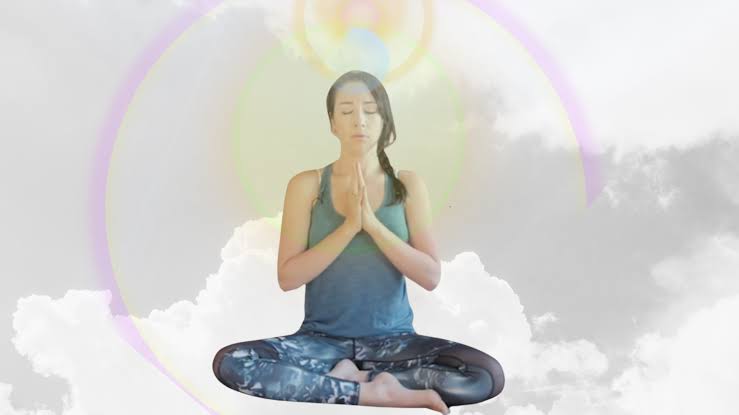
The third eye is commonly associated with intuition, concentration, self-awareness, and inner clarity. In yogic philosophy, it is linked with the Ajna chakra, which is traditionally located between the eyebrows. Practices connected with this energy centre are intended to improve awareness of thoughts, emotions, and behavioural patterns.
Advanced meditation tracks can support this process by combining sound, breathwork, chanting, visualisation, and guided concentration. These tracks may include mantras, singing bowls, ambient sounds, rhythmic tones, or spoken instructions. While they can make a session more structured, they should be used carefully and with realistic expectations.
Third-eye meditation is not about forcing unusual experiences. It is better approached as a gradual practice that may support focus, emotional balance, and thoughtful decision-making.
What Is Third-Eye Activation?
Third-eye activation refers to developing greater internal awareness rather than gaining supernatural abilities. It may involve becoming more observant of personal reactions, recurring thoughts, emotional triggers, and decision-making habits.
The Ajna chakra is often connected with insight and discernment. During meditation, practitioners direct attention towards the area between the eyebrows while maintaining steady breathing. The purpose is to reduce distractions and observe mental activity without immediately reacting to it.
Experiences vary between individuals. Some people report stronger concentration, while others notice improved calmness or emotional control. Progress is usually subtle and may develop over weeks or months of regular practice.
How Advanced Meditation Tracks Help
Advanced audio tracks provide a consistent rhythm and structure for meditation. They may begin with calming sounds, move into chanting or focused frequencies, and end with a gradual return to ordinary awareness.
These tracks can help practitioners avoid checking the time or becoming distracted by external noise. A familiar sound sequence may also make it easier to settle into a regular routine.
However, audio should remain a supportive tool. It should not prevent practitioners from noticing discomfort, breathing difficulties, dizziness, or emotional tension. The volume should remain moderate, especially when headphones are used.
Tracks with sudden sound changes, intense tones, or excessive verbal instructions may interrupt concentration. Listening to a preview before starting a full session can help determine whether the audio is suitable.
Preparing for the Practice
A comfortable environment can improve the quality of meditation. Choose a quiet, clean, and well-ventilated space where interruptions are unlikely.
Sit on a cushion, yoga mat, or stable chair. Keep the spine upright but relaxed. Avoid forcing the shoulders back or creating tension in the neck.
Practising immediately after a heavy meal may cause discomfort. It is usually better to wait until the body feels light and settled. Meditation should also be avoided during extreme tiredness, intense emotional distress, or physical illness.
Before starting the main track, spend a few minutes observing the natural breath. Relax the jaw, shoulders, forehead, and hands. This preparation helps the body transition from daily activity into a focused state.
Choosing an Appropriate Track
Not every track labelled as third-eye music is suitable for advanced practice. The selection should depend on experience level, sensitivity to sound, session duration, and personal goals.
A suitable track generally includes:
- A gradual opening section
- Consistent volume and rhythm
- Limited interruptions
- Clear mantra or breathing cues
- A gentle closing sequence
- A practical session length
Tracks that promise instant awakening or guaranteed transformation should be approached cautiously. Meditation experiences are subjective, and no audio frequency can guarantee a specific spiritual result.
Practitioners moving from beginner to advanced sessions may begin with 15 or 20 minutes. The duration can be increased gradually if the practice remains comfortable and does not affect sleep, mood, or daily responsibilities.
Using Breathwork During Meditation
Breathing exercises can help settle mental activity and prepare the body for deeper concentration. Slow abdominal breathing is often suitable at the beginning of a session.
Alternate nostril breathing may also be used to establish a balanced rhythm. The inhale and exhale should remain smooth, controlled, and comfortable.
Forceful or rapid breathing should be practised carefully. It may cause light-headedness, tingling, or anxiety if performed incorrectly. Anyone with respiratory, cardiovascular, neurological, or pregnancy-related concerns should seek professional guidance before attempting intensive breathwork.
During the central part of the session, Kundalini Yoga may combine breathing, posture, mantra repetition, and focused awareness. These elements are used together to direct attention towards the Ajna chakra without forcing physical sensations or emotional reactions.
Focusing on the Ajna Chakra
Once the body and breathing feel stable, gently direct attention towards the space between the eyebrows. The eyes may remain closed, with the gaze lifted slightly without strain.
Some practitioners visualise an indigo light, a small flame, or a circular symbol. Others prefer to focus only on the breath or mantra. Visualisation is optional and should not become a source of pressure.
A mantra such as “Om” may be repeated silently or aloud. When using a recorded chant, allow the natural rhythm to guide the breath rather than trying to match every sound perfectly.
Thoughts will continue to arise during meditation. Instead of trying to block them, acknowledge them and return attention to the chosen focus point. This repeated process is a normal and important part of meditation.
Common Sensations and Experiences
Practitioners may notice warmth, pressure, tingling, pulsing, lightness, emotional release, or internal imagery. These experiences can result from concentration, breathing patterns, muscle tension, or personal expectations.
No single sensation proves that the third eye has been activated. Comparing experiences with dramatic online stories may create unnecessary pressure.
A session can still be useful even when no unusual sensation occurs. Greater patience, improved focus, better emotional regulation, and more thoughtful responses may be more practical indicators of progress.
If meditation causes persistent headaches, confusion, panic, sleep disturbance, or emotional discomfort, the session should be shortened or paused.
Grounding After the Session
Grounding helps the practitioner return gradually to normal awareness. When the audio track ends, remain seated quietly for a few minutes.
Notice the natural breath and the weight of the body. Feel the contact between the legs, feet, floor, or chair. Slowly move the fingers, shoulders, neck, and ankles.
Drinking water, eating a light snack, or taking a short walk may also help. Practitioners may record their observations in a journal, but they should avoid interpreting every sensation as a spiritual sign.
Developing a Balanced Routine
Consistency is more valuable than intensity. Two or three focused sessions per week may be sufficient for many experienced practitioners. Simpler breathing or relaxation exercises can be used on other days.
Long sessions every day are not always beneficial. Excessive practice may cause fatigue, sleep disruption, or increased emotional sensitivity.
Progress should also be evaluated through everyday behaviour. Increased patience, clearer communication, and better decision-making may indicate that the practice is being integrated effectively.
Before concluding, it is important to remember that Spirituality should remain connected with emotional wellbeing, physical health, practical thinking, and personal responsibility.
Conclusion
Activating the third eye with advanced Kundalini tracks requires patience, preparation, and realistic expectations. Audio tracks can provide structure, but lasting benefits depend on regular breathing, focused attention, balanced routines, and responsible practice.
The goal should not be to chase intense sensations or instant transformation. A more sustainable approach is to observe gradual improvements in concentration, self-awareness, emotional control, and mental clarity.
Frequently Asked Questions
How long should a third-eye meditation session last?
Advanced sessions may last between 20 and 40 minutes. The duration should be increased gradually based on comfort and experience.
Can beginners use advanced Kundalini tracks?
Beginners should first learn basic breathing, posture, and meditation techniques before attempting longer or more intense sessions.
Is pressure between the eyebrows normal?
Mild pressure may occur because of concentration, facial tension, breathing, or expectation. It should not automatically be treated as a sign of activation.
How often should third-eye meditation be practised?
Two or three sessions per week may be suitable. The frequency should be reduced if the practice affects sleep, mood, or daily activities.
Should headphones be used?
Headphones can improve sound clarity, but the volume should remain comfortable. Speakers may be more suitable for people who feel uneasy while wearing headphones.
What should I do if I feel dizzy?
Stop the breathing exercise and return to normal breathing. Sit or lie down safely and avoid repeating the technique without proper guidance.
