

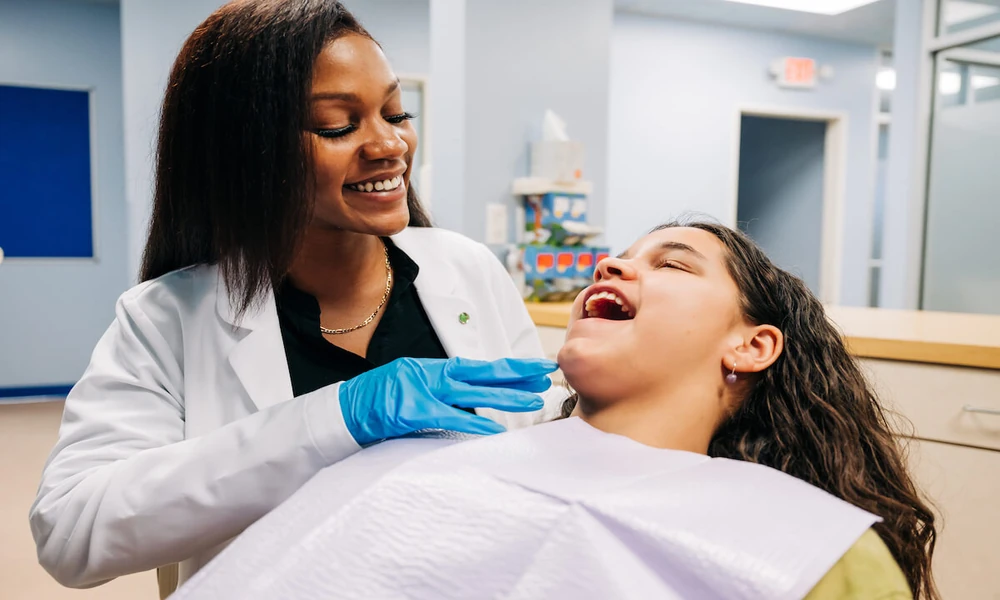
You book one cleaning, then another six months later, and somehow it still feels like you are always trying to catch up. A child has a cavity, a parent puts off a filling, someone wakes up with tooth pain right before school pictures or a work trip. Oral health often becomes a cycle of reacting, paying, and worrying. That stress is real, especially when you are caring for more than one person and trying to make smart choices that last. For families also exploring options like Bridgewater clear aligners, that pressure can feel even more immediate.
The heart of it is simple. Prevention costs less, hurts less, and protects more than waiting for problems to grow. Preventive dental care is not just about clean teeth today. It shapes eating habits, speech, confidence, school attendance, long term health, and the way children learn to care for themselves as adults. A trusted family dentist helps turn oral care from a series of emergencies into a steady routine that protects the people who come after you.
Preventive dentistry changes the pattern families pass down
Dental problems rarely stay small on their own. Plaque hardens, early decay deepens, gums get inflamed, and what could have been handled with a simple visit turns into a filling, a crown, or an extraction. For children, that can mean pain, trouble sleeping, missed class time, and fear of the dentist that follows them for years. For adults, it often means higher bills and delayed care because life is busy and money has to go somewhere else first.
That pattern can move through generations. If you grew up only going to the dentist when something hurt, that approach can feel normal. If your child sees dental visits as routine and calm, that becomes their normal instead. This is one reason family dental prevention matters so much. It does more than stop cavities. It teaches that health care can be regular, manageable, and part of daily life.
There is also a wider public health side to this. The National Institute of Dental and Craniofacial Research highlights in Oral Health in America that oral health is closely tied to overall health and quality of life across the lifespan. That connection shows up at home in very ordinary ways. Kids eat better when chewing does not hurt. Adults speak with more ease when they are not hiding damaged teeth. Grandparents stay more comfortable when gum disease is managed early.
Small preventive steps reduce pain, cost, and missed time
A lot of families think prevention means adding more appointments and more expense. In practice, it often means fewer disruptions. A routine exam can catch early decay before it becomes a root canal. A cleaning can reduce gum inflammation before it turns into advanced periodontal treatment. Fluoride and sealants can protect teeth during the years when children are still learning good brushing habits and reaching every surface well.
Sealants are a good example because they are simple and easy to overlook. The chewing surfaces of back teeth have grooves that trap food and bacteria. According to the CDC’s information on dental sealants, sealants can prevent many cavities in molars, especially for school age children. That means fewer fillings, fewer painful surprises, and fewer school days affected by dental problems.
Public health goals reflect the same logic. The Healthy People oral health objectives focus on reducing tooth decay, increasing preventive care, and improving oral health outcomes across communities. Families feel those goals in personal terms. Less pain. Lower costs. More consistency. Better odds that children grow into adults who do not wait until something is wrong.
Preventive dentistry supports children and adults at different stages
What prevention looks like changes with age, but the principle stays the same. A toddler may need guidance on brushing and early exams. A teenager may need sealants, fluoride, and help dealing with sports drinks, braces, or inconsistent hygiene. Adults may need gum care, oral cancer screenings, and support if stress leads to grinding or skipped visits. Older adults may need help protecting exposed roots, managing dry mouth, or maintaining restorations.
This is where a family dentist becomes especially useful. Instead of treating each issue in isolation, they can see patterns across the household. Maybe one child keeps getting cavities because bedtime brushing is rushed. Maybe a parent avoids appointments because of fear from a bad experience years ago. Maybe everyone snacks more often than they realize. Prevention works best when care is personal, not generic.
Comparing preventive care with delayed treatment
| Situation | Preventive Approach | Delayed Approach |
|---|---|---|
| Child with newly erupted molars | Exam, cleaning, sealants, fluoride | Cavities develop in deep grooves, leading to fillings |
| Adult with mild gum bleeding | Cleaning, home care changes, follow up | Progression to gum disease, deeper treatment, possible tooth loss risk |
| Busy family with no regular schedule | Routine visits planned in advance, fewer emergencies | Unexpected pain, missed school or work, urgent costs |
| Teen with braces or hard to clean areas | More frequent monitoring and hygiene support | Decalcification, decay around brackets, cosmetic concerns after braces |
The difference is not only clinical. Delayed treatment tends to bring urgency, fear, and higher costs at the worst time. preventive dentistry creates predictability, which is often what families need most.
Three steps you can take right away
Set one family standard for routine care. Pick a recall schedule with your dental office and treat it like any other health appointment. Children notice what gets prioritized. When cleanings and exams are simply part of life, resistance drops over time.
Ask for age specific prevention, not just treatment. For kids, ask about sealants, fluoride, and brushing technique. For adults, ask about gum health, grinding, dry mouth, and cancer screenings. The right preventive plan for a teenager is not the same as the right plan for a grandparent.
Watch for small warning signs at home. Bleeding gums, sensitivity, bad breath that lingers, white spots on teeth, and food trapping between teeth all deserve attention. Catching a problem early is often the difference between a simple fix and a much larger one.
Healthy dental habits protect more than teeth
Every family hands something down. Sometimes it is anxiety around care and a habit of waiting too long. Sometimes it is steadier than that. A routine. A sense that health is worth protecting before it falls apart. That is why preventive dentistry protects future generations. It lowers risk today and changes expectations for tomorrow.
If your household has been stuck in a cycle of reactive care, a family dentist can help you build a calmer one, with regular visits, early treatment, and support that fits each stage of life.
