

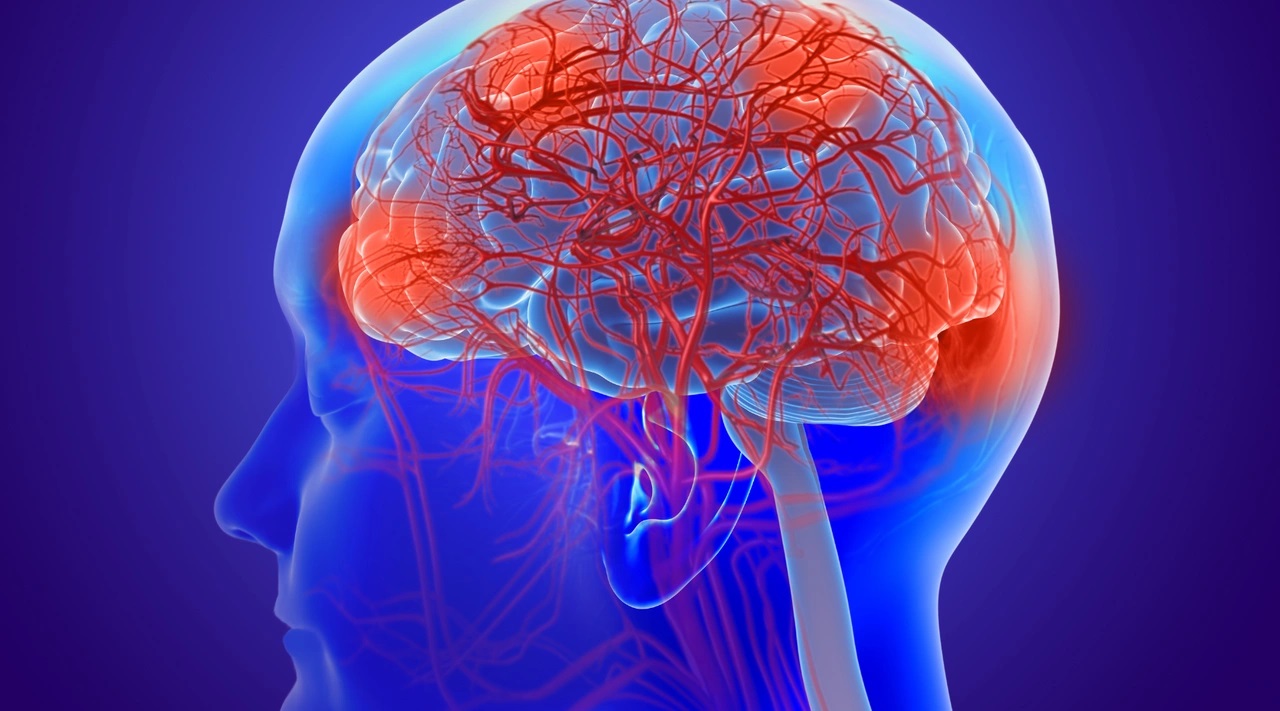
Today we unveil the power of diagnostic imaging in our fight against Alzheimer’s disease. The use of brain scans is revolutionizing how we understand and tackle this relentless condition. It’s a bit like how genetic counseling Colorado has brought a new dimension to our grasp of genetic disorders. With these tools, we’re not just reacting to diseases anymore – we’re anticipating them. Beginning with Alzheimer’s, let’s dive into the world of diagnostic imaging.
How It Works
Diagnostic imaging is a game changer. Before, we depended on symptoms to tell us something was wrong. Now, we can see the problem, often before symptoms start. It’s like finding a small leak in your roof before it causes a flood.
The Impact
The impact is profound. Early detection means early treatment. Early treatment can slow the progress of Alzheimer’s. It can also make life easier for patients and their families. It’s like catching a small fire before it turns into a blaze.
Types of Diagnostic Imaging
There are various types of diagnostic imaging. Each one brings something unique to the table. For example, MRI scans give us a detailed picture of the brain. PET scans show us how the brain is working – or not working. Each tool is like a different piece of the puzzle.
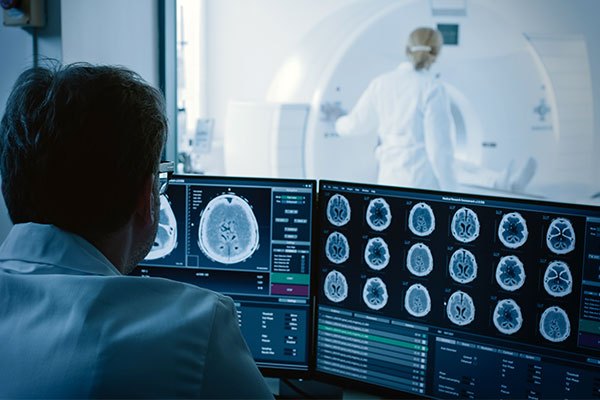
Comparison of Diagnostic Imaging Techniques
| Imaging Technique | What It Shows | Key Benefit |
| MRI | Structural details of the brain | Highly detailed images |
| PET | Brain function | Detects changes before structural damage occurs |
The Future of Alzheimer’s Diagnosis
The future looks bright. With new technologies, like advanced AI algorithms, we’re getting even better at detecting Alzheimer’s early. It’s like we’ve been given a crystal ball.
Conclusion
Diagnostic imaging is transforming the fight against Alzheimer’s. It’s an exciting time in medical science. And it’s just the beginning. With these tools, we can hope for a future where Alzheimer’s is no longer a life sentence but a manageable condition.
