

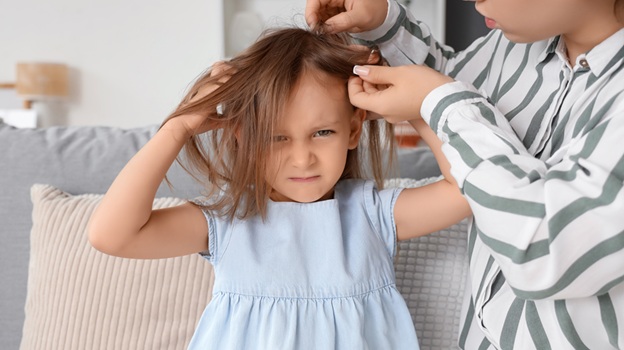
Kids’ skin is resilient—but it’s also reactive. Between new environments, developing immune systems, and constant contact with other children, rashes and bumps are part of the territory. Here are ten common pediatric skin conditions, how to spot them, what helps at home, and when to seek care.
1) Atopic dermatitis (eczema)
What it looks like: Dry, itchy patches that can ooze or crust—often on cheeks and extensor surfaces in infants, then elbow/knee creases in older kids.
Care basics: Daily short, lukewarm baths; immediate application of thick, fragrance-free moisturizers; avoid known triggers (wool, harsh soaps). Flares may need short courses of prescription anti-inflammatories.
See a clinician if: Sleep is disrupted by itching, skin is weeping despite care, or there are signs of infection (honey-colored crusts, warmth).
2) Diaper dermatitis
What it looks like: Red, inflamed skin where the diaper contacts; sparing of the skin folds in irritant rash. Beefy-red patches with satellite spots suggest yeast involvement.
Care basics: Frequent diaper changes, warm water cleansing, liberal zinc oxide barrier paste. For suspected yeast, an antifungal cream may be recommended.
See a clinician if: Rash persists >3–5 days despite good care or becomes very painful.
3) Cradle cap (infant seborrheic dermatitis)
What it looks like: Yellow, greasy scales on the scalp; sometimes eyebrows and behind ears.
Care basics: Gentle scalp brushing after softening with mineral oil or petroleum jelly, then shampooing with a mild cleanser.
See a clinician if: Scaling is widespread, very inflamed, or unresponsive to simple measures.
4) Infant acne and milia
What it looks like: Infant acne—red bumps or pustules on cheeks/forehead around 2–6 weeks of age. Milia—tiny white pearly bumps caused by trapped keratin.
Care basics: Keep clean and dry; avoid oils and adult acne products. Both conditions typically resolve without treatment.
See a clinician if: Lesions are persistent past several months, spreading rapidly, or appear infected.
5) Hand-foot-mouth disease (HFMD)
What it looks like: Fever followed by small blisters or ulcers on the tongue, gums, and inside cheeks; rash or blisters on palms and soles. Highly contagious.
Care basics: Hydration is key; acetaminophen/ibuprofen for comfort; soft, cool foods.
See a clinician if: There are dehydration signs (fewer wet diapers, dry mouth), lethargy, or severe mouth pain preventing fluids.
6) Molluscum contagiosum
What it looks like: Smooth, dome-shaped, flesh-colored bumps with a central dimple; may cluster and spread by scratching.
Care basics: Often self-limited over months to a couple of years. To reduce spread, cover lesions, moisturize to reduce itch, and practice hand hygiene.
Treatment options: When bothersome or spreading, in-office therapies (curettage, cantharidin, topicals) may help.
See a clinician if: Lesions are inflamed, rapidly multiplying, or near the eyes.
7) Common warts (verruca) and plantar warts
What it looks like: Rough, grainy papules on fingers, knees, or feet; black “seed” dots are clotted capillaries. Plantar warts can be tender when walking.
Care basics: Over-the-counter salicylic acid with regular paring after soaking; duct tape occlusion is sometimes used.
See a clinician if: Warts are painful, persistent, or numerous; options include cryotherapy, cantharidin, or immunomodulatory treatments.
8) Impetigo
What it looks like: Superficial bacterial infection with honey-colored crusts, often around the nose and mouth; may start after minor skin trauma or eczema flare.
Care basics: Gentle cleansing; avoid sharing towels or linens.
Treatment: Topical or oral antibiotics depending on extent.
See a clinician if: Rapid spread, fever, or no improvement in 48–72 hours.
9) Ringworm (tinea corporis)
What it looks like: Ring-shaped, scaly, itchy patches with clearer centers; can appear on body or scalp (tinea capitis).
Care basics: For body lesions, topical antifungals (e.g., terbinafine, clotrimazole) for 2–4 weeks and two weeks beyond clearance.
Important: Scalp involvement typically requires oral antifungals; avoid sharing hats, brushes, or helmets.
See a clinician if: The face/scalp is involved, lesions are numerous, or OTC therapy fails.
10) Hives (urticaria)
What it looks like: Itchy, raised welts that come and go within hours; may follow infections, foods, medications, or temperature changes.
Care basics: Non-sedating antihistamines per pediatric dosing; identify and avoid obvious triggers.
Emergency: Seek immediate care for breathing difficulty, lip/tongue swelling, or vomiting—possible anaphylaxis.
Smart home strategies for calmer skin
- Keep it simple: Fragrance-free cleansers and moisturizers; patch test new products on a small area first.
- Trim nails: Short nails minimize damage from scratching.
- Cool comfort: Lukewarm baths, cool rooms, breathable cotton layers.
- Sun sense: Broad-spectrum SPF 30+, hats, and shade—especially for kids with eczema or photosensitive conditions.
When to seek help
Call your pediatrician or a dermatologist if a rash is painful, rapidly worsening, accompanied by fever, interfering with sleep or feeding, or not improving after a week of sensible care. Persistent, recurrent, or extensive rashes deserve a tailored plan—sometimes including prescription anti-inflammatories, antivirals/antibiotics, or targeted antifungals.
Parents often search “medical dermatologist near me” when home care stalls or the diagnosis isn’t clear. That’s a good instinct: early, accurate evaluation prevents complications, eases symptoms faster, and avoids trial-and-error that can irritate sensitive skin. With the right diagnosis, a simple routine, and timely follow-up, most pediatric skin issues can be managed effectively—so kids can get back to what matters: learning, playing, and sleeping well.
