

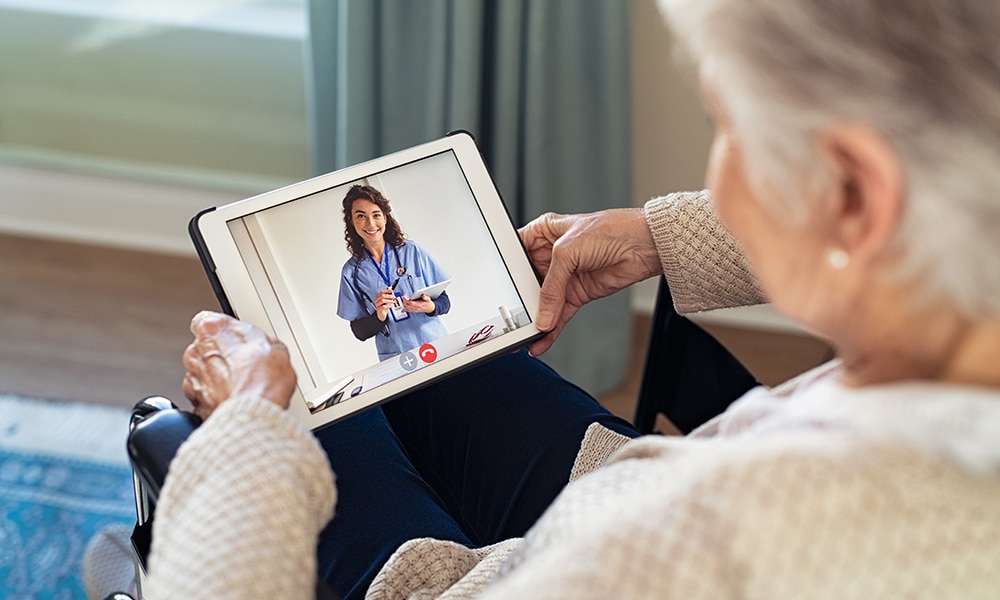
The way we visit doctors has changed. Telehealth is becoming a new norm for many general practitioners. Dr. Kalpana Desai explains that this shift offers both challenges and opportunities. Patients can now access care from the comfort of their homes. This change is shaping a new landscape in health care. Understanding how this works can help us navigate the future of medicine.
The Rise of Telehealth
Telehealth uses technology to deliver medical services at a distance. It includes video calls, phone consultations, and messaging. Many general practitioners now use telehealth to connect with their patients. This method reduces travel time and makes it easier to fit appointments into busy schedules.
Telehealth is not just convenient. It is effective, too. According to the Office of the National Coordinator for Health Information Technology, telehealth has expanded access to care and improved patient satisfaction. It allows doctors to monitor patients more closely, especially those with chronic illnesses.
Benefits of Telehealth
Telehealth offers several key benefits:
- Accessibility: Provides care for those in remote areas.
- Convenience: Saves time by eliminating travel.
- Cost-Effective: Often reduces the costs associated with in-person visits.
These benefits make telehealth a valuable tool in modern medicine. It supports both patients and doctors in managing health efficiently and effectively.

Challenges Faced
Despite its advantages, telehealth does come with challenges. Not everyone has access to reliable internet or the necessary technology. Some conditions require a physical examination, making a virtual visit less effective. Privacy is another concern, as sensitive information is shared online.
Doctors and patients must work together to address these challenges. By doing so, they can make the most of what telehealth has to offer.
Traditional Visits vs. Telehealth
Understanding the differences between traditional visits and telehealth can help illustrate its impact. The table below provides a comparison:
| Aspect | Traditional Visit | Telehealth Visit |
| Location | In the doctor’s office | Anywhere with internet access |
| Travel Time | Required | Not needed |
| Cost | Higher due to overheads | Potentially lower |
| Exam Type | Physical examination possible | Limited to visual and verbal |
Adapting to the New Normal
As telehealth becomes more common, both patients and doctors must adapt. Training for doctors on digital tools is crucial. Patients need guidance on how to prepare for virtual visits. The U.S. Department of Health & Human Services provides resources for understanding telehealth and its uses.
By embracing this new way of delivering care, we can improve health outcomes and make healthcare more accessible for all. Telehealth is not a replacement for traditional visits but a complement to them.
The Future of Telehealth
The future of telehealth looks promising. As technology advances, so will the quality and scope of virtual care. With ongoing improvements in internet connectivity and digital tools, telehealth could become even more integrated into everyday healthcare.
Doctors will continue to find innovative ways to use telehealth to benefit patients. As we move forward, telehealth will likely play a central role in shaping the future of medicine. It is a new normal worth embracing.
