

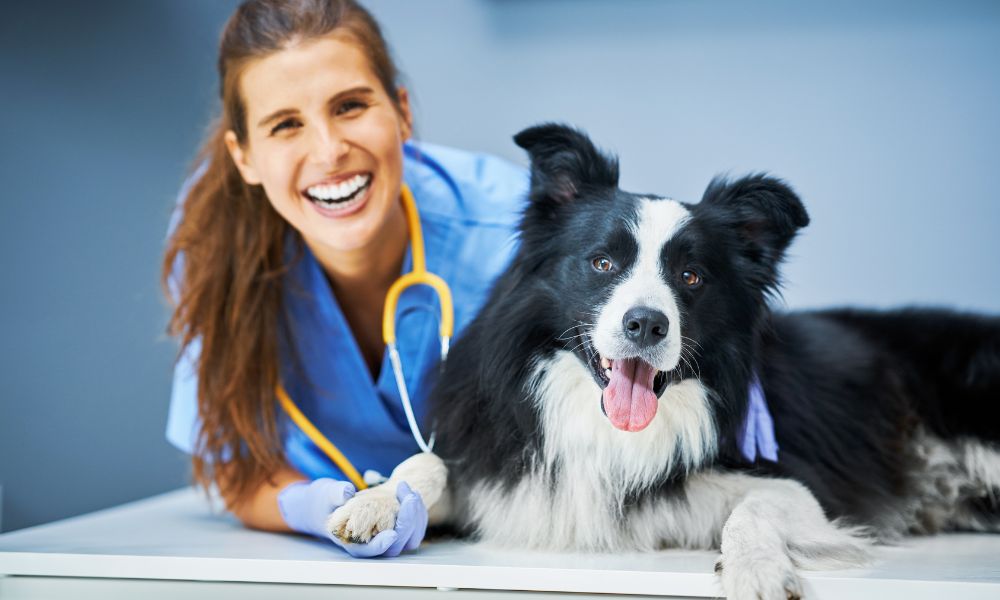
When a pet is taken for a check-up at the veterinary center, several procedures are often conducted to assess and address the health of the pet, usually with a veterinarian in Murrieta, CA. The examination normally entails a general body check on the animal by the veterinarian in question. This includes an appraisal of the animal’s general condition, examination of body temperature, and abdominal palpation aiming at determining any abnormalities. There are basic physical examinations that involve checking your pet’s coat and skin for any signs of issues and observing the ears, eyes, and teeth for any problems.
How are vaccinations and other preventive treatments provided for those with the disease?
Immunizations must be one of the key procedures included in the annual visit. Through a physical examination of your pet, your veterinarian will go through your pet’s vaccination history and decide if any changes are necessary. This is very important to avoid numerous diseases that could affect your pet including common ailments that may need medical and surgical treatments.
Furthermore, the treatments against such parasites as fleas, ticks, and worms which are considered as part of preventive care are discussed during the visit. Your vet may prescribe some remedies, or may simply talk about the possibility of the illness, depending on your pet’s exposure level and its general state of health.
Why is Blood Work and Diagnostic Testing Important?
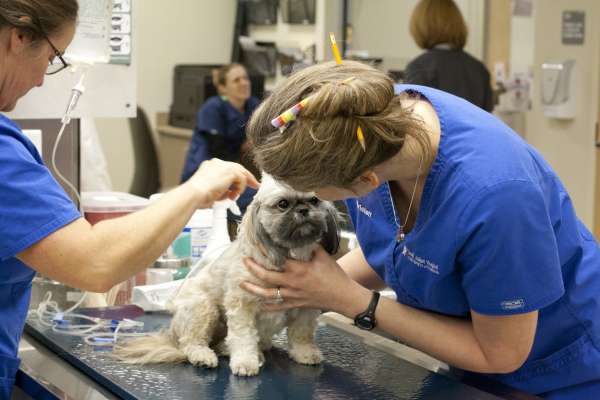
Laboratory tests and blood diagnostics are suggested to be taken during the annual physical examination to check the internal conditions of the animal. These tests are very useful when evaluating organ function, revealing tendencies to illnesses, and, overall, when judging the state of health of your pet.
Based on your pet’s age, breed, or medical history your vet may recommend additional tests including the complete blood count, the chemistry panel, or a urinalysis. Such examinations are essential to detect signs that may indicate a problem that needs to be treated at an early stage.
What is the Function of Nutrition and Weight Management?
Food and diet, primary concerns since they influence the weight of your pet are among the areas checked during the checkup. The veterinarian will take your pet through a body condition check and advise you on the diet and feeding regime.
Being overweight causes health complications and your pet’s dietary requirements should be balanced hence the importance of appropriate nutritional weight. Your vet may recommend dietary changes or even a weight loss plan for the general well-being of your pet.
How Do These Needs Relate to Behavioral and Lifestyle Issues Tackled by the Vet?
During the physical examination, the vet will also discuss any aspects of your pet’s behavior or diet worrying you. This includes explaining any change in behavior, physical activity, or signs that may indicate that the animal is uncomfortable.
The vet can consult on how to address behavioral problems, recommend gadgets for stimulation, and recommend changes in the animal’s environment to improve its living conditions. It is equally important to take note of these issues at an early stage so that the situation does not complicate or reach a stage where the health of your pet is severely impacted.
Conclusion
Get an annual physical checkup for your pet with a veterinarian as it is crucial for the health of your pet. While checking the physical state, setting and administering vaccinations and tests, and talking about the nutritive and behavioral problems, you study substantially the health of the animal.
Spending on regular check-ups is useful in identifying such glitches at an early stage and ensuring that your pet is well-tendered. Regular appointments with the vet are therefore effective strategies for preventing complications that may hamper the wellbeing of your pet for many coming years.
