

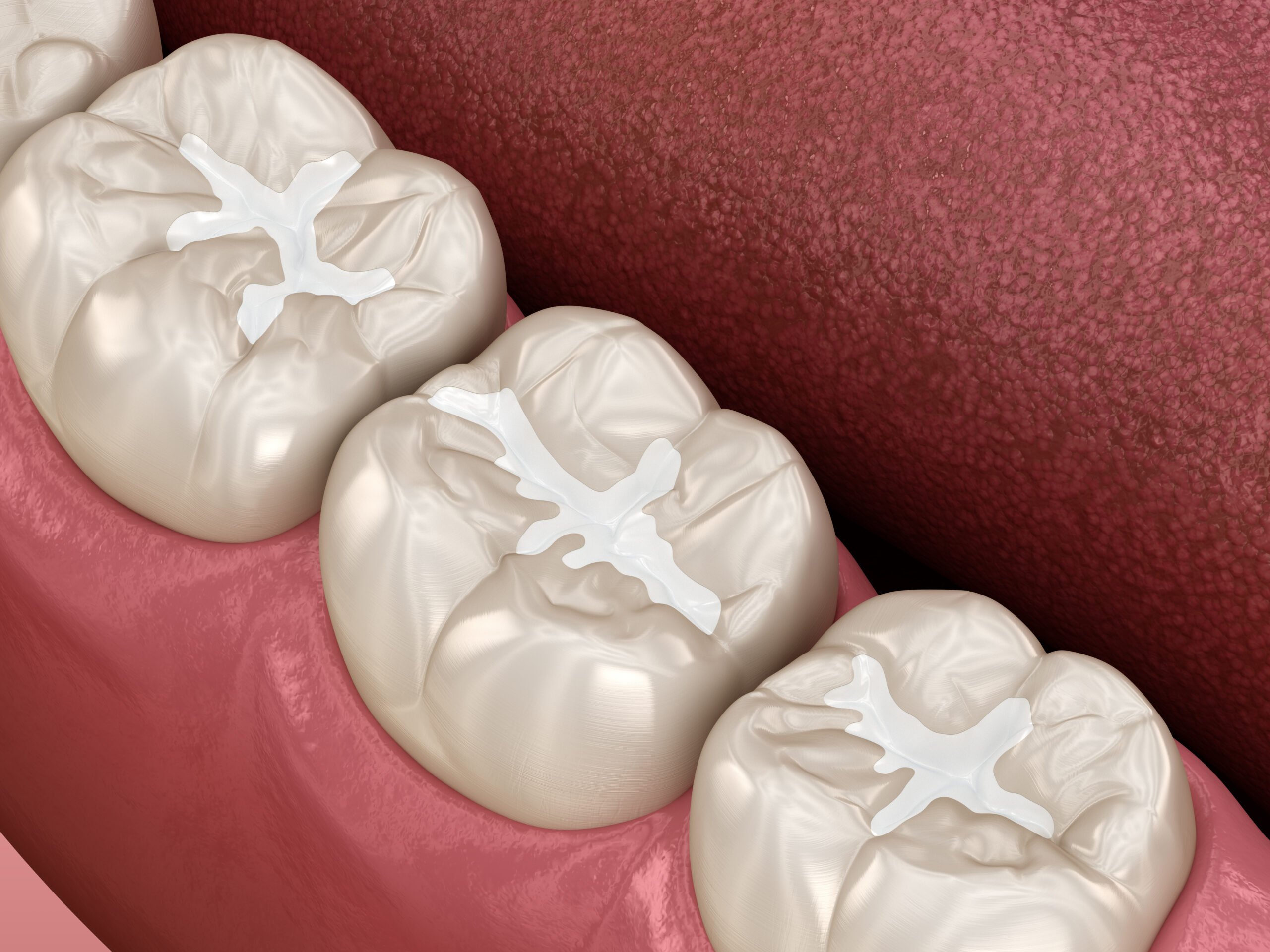
Tooth-colored fillings have revolutionized dental treatment. Gone are the days of noticeable metal fillings. These modern fillings blend seamlessly with your natural teeth. They provide a more aesthetically pleasing option. Many people, when faced with dental issues, have concerns about procedures and recovery—like “root canal el paso.” Tooth-colored fillings offer a reassuring choice for those aiming to maintain a natural smile while addressing cavities or damage.
What Are Tooth-Colored Fillings?
Tooth-colored fillings, also known as composite fillings, are made from a mixture of plastic and fine glass particles. This mixture allows them to match the color of your teeth, providing a natural look. They are versatile and can be used to repair decayed teeth, chipped teeth, and even broken teeth. Their ability to bond directly to the tooth structure strengthens the tooth, preventing further damage.
Benefits of Tooth-Colored Fillings
There are several benefits to choosing tooth-colored fillings over traditional metal options:
- Aesthetic Appeal: These fillings blend with the natural color of your teeth, making them virtually invisible.
- Preservation of Tooth Structure: Less drilling is needed to place composite fillings, preserving more of the natural tooth.
- Durability: While not as strong as metal, tooth-colored fillings offer good durability for small to medium restorations.
Comparing Tooth-Colored and Metal Fillings
| Feature | Tooth-Colored Fillings | Metal Fillings |
|---|---|---|
| Appearance | Blend with teeth | Visible color difference |
| Durability | Good for small to medium areas | Very durable |
| Preservation of Tooth Structure | Conserves more natural tooth | Requires more removal of tooth |
Considerations Before Choosing Fillings
When deciding on the type of filling, consider the location of the cavity, the extent of the damage, and your dental history. Tooth-colored fillings are generally recommended for visible teeth due to their aesthetic qualities. However, for larger cavities in the back teeth, metal fillings might be preferable because of their strength. Discuss with your dentist to make the best choice for your dental health.
How Tooth-Colored Fillings Work
The process of getting a tooth-colored filling is simple and usually completed in one visit. The dentist removes the decayed part of the tooth and cleans the area. The composite material is then applied in layers and hardened with a special light. Finally, the filling is shaped and polished to match the rest of the tooth. For more detailed information on dental procedures, visit National Institute of Dental and Craniofacial Research.
Maintaining Your Fillings
To ensure the longevity of your fillings, maintain good oral hygiene. Brush twice a day, floss daily, and visit your dentist regularly. Avoid biting down on hard objects like ice or pencils. With proper care, tooth-colored fillings can last many years.
The Future of Dental Fillings
Advancements in dental technology continue to improve the materials and methods used for fillings. Researchers are exploring new materials that could provide even greater durability and aesthetics. Keeping abreast of these developments will help maintain a healthy, natural-looking smile. For ongoing updates on dental health advancements, check out the Centers for Disease Control and Prevention’s Oral Health Page.
