

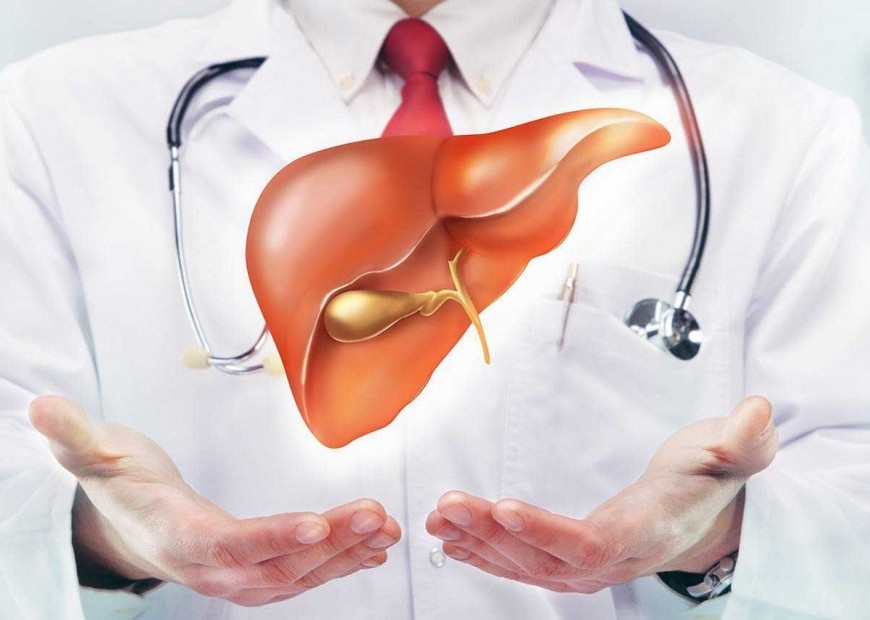
Gastroenterologists play a vital role in liver transplantation. They guide patients from diagnosis through recovery. Their involvement ensures that care is thorough and effective. From managing conditions like Riverdale Gastritis to coordinating with transplant teams, their expertise makes a big difference. By understanding the liver’s health, gastroenterologists help in choosing the best path forward.
The Role of Gastroenterologists
Gastroenterologists specialize in the digestive system. Their work includes diagnosing liver diseases and preparing patients for transplantation. They perform tests to assess liver function. These tests help determine the severity of liver disease and the need for a transplant. Gastroenterologists often collaborate with surgeons to ensure patients receive the best care possible.
They also provide education on liver disease management. This includes dietary recommendations and lifestyle changes. Their guidance helps patients understand their condition and remain stable while awaiting transplantation. The American Liver Foundation highlights the importance of managing liver health in preventing the progression of liver diseases. Visit their website for more information.
Pre-Transplantation Involvement
Before a transplant, gastroenterologists are key players in the evaluation process. They identify suitable candidates for liver transplantation through comprehensive assessments. These assessments include:
- Medical history evaluation
- Blood tests to assess liver function
- Imaging tests such as MRI or CT scans
Pre-transplant care focuses on optimizing the patient’s health. This involves managing any complications that could arise from liver disease. Gastroenterologists work closely with nutritionists and other specialists to provide holistic care.
Post-Transplantation Care
After a liver transplant, the role of gastroenterologists shifts to monitoring recovery. They ensure that the new liver functions well and that the patient remains healthy. Their responsibilities include:
- Regular follow-up appointments
- Monitoring for signs of rejection
- Adjusting medications to prevent complications
Maintaining a strong immune system is crucial after a transplant. Gastroenterologists provide advice on how to achieve this through proper diet and medication management. According to the National Institute of Diabetes and Digestive and Kidney Diseases, post-transplant care is fundamental in ensuring long-term success. More details can be found here.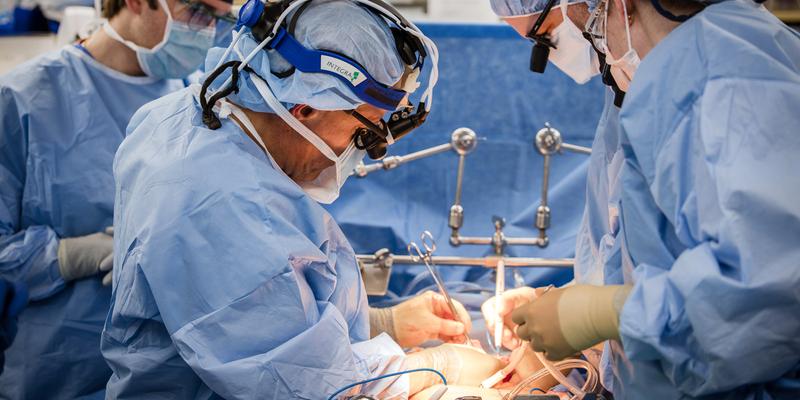
Liver Transplantation Process: A Comparison
To better understand the involvement of gastroenterologists, let’s compare their role during different stages of the liver transplantation process:
| Stage | Gastroenterologist’s Role |
|---|---|
| Pre-Transplantation | Diagnosis, patient evaluation, and stabilization |
| During Transplantation | Coordination with the surgical team, ensuring readiness |
| Post-Transplantation | Monitoring recovery, managing medications, follow-up care |
Conclusion
The journey through liver transplantation is complex. Gastroenterologists offer indispensable support at every step. Their expertise not only improves outcomes but also provides reassurance to patients and their families. Whether it’s preparing for the surgery or managing recovery, their role is crucial in navigating the challenges that come with liver transplantation.
Understanding the liver’s function and health is essential for anyone undergoing a transplant. The dedication and skills of gastroenterologists ensure that patients receive the best care possible. This collaborative approach enhances the chances of a successful transplant and a healthy future.
