

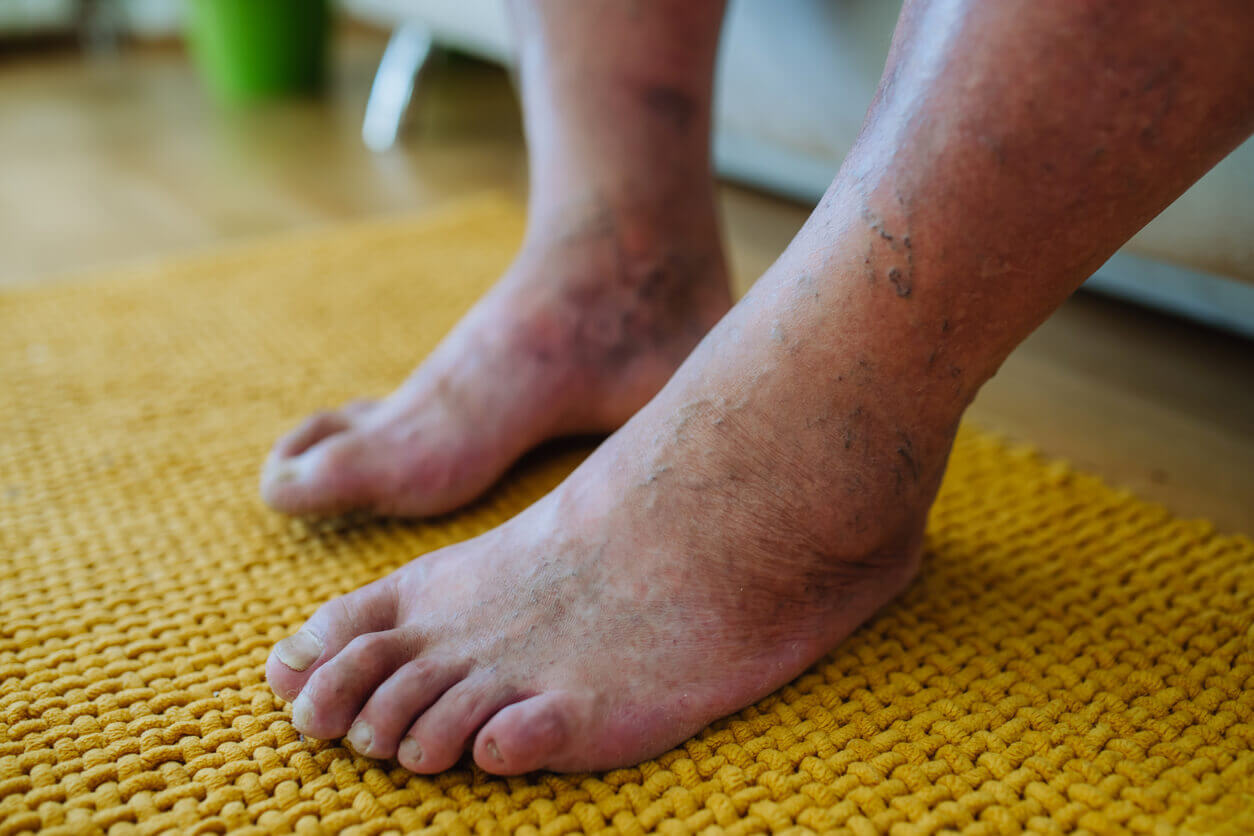
Diabetes can lead to serious foot issues. Problems can range from dry skin to serious complications like ulcers, infections, and even amputation. And even something as minor as ingrown toenails Fort Worth, can cause major issues if not managed properly. This article will provide an in-depth look into podiatry and diabetes. It will focus on the importance of foot care and how we can prevent complications.
The Foot and Diabetes: What You Need to Know
Diabetes affects the blood circulation. Poor circulation can damage nerves and weaken your feet. This may not seem like a big deal. But a small cut or a blister can lead to serious infections. A podiatrist can help you avoid these issues.
Prevention is Key
There are simple steps to prevent foot problems. They include routine foot checks and wearing the right shoes. Walking regularly also helps. It boosts blood circulation in the feet. You should also avoid walking barefoot. This can protect your feet from cuts and infections.
When to See a Podiatrist
If you have diabetes, you should see a podiatrist at least once a year. More frequent visits might be needed if you have foot pain or open wounds. The podiatrist can check your feet and provide treatment if needed. This can help prevent serious complications.
Proper Foot Care Practices
- Wash your feet daily with warm water and mild soap.
- Dry your feet well, especially between the toes.
- Check your feet daily for cuts, blisters, redness, swelling, or nail problems.
- Wear clean, dry socks.
- Wear shoes that fit well. They should protect your feet.
Healthy Diet and Exercise
Eating a balanced diet can help control your blood sugar levels. Exercise can also help. It improves blood flow and can also lower your blood sugar levels. The CDC provides guidelines on diet and exercise for people with diabetes.
Conclusion
Foot care is crucial if you have diabetes. Simple practices can prevent serious complications. Regular check-ups with a podiatrist can also help. Remember, prevention is better than cure.
