

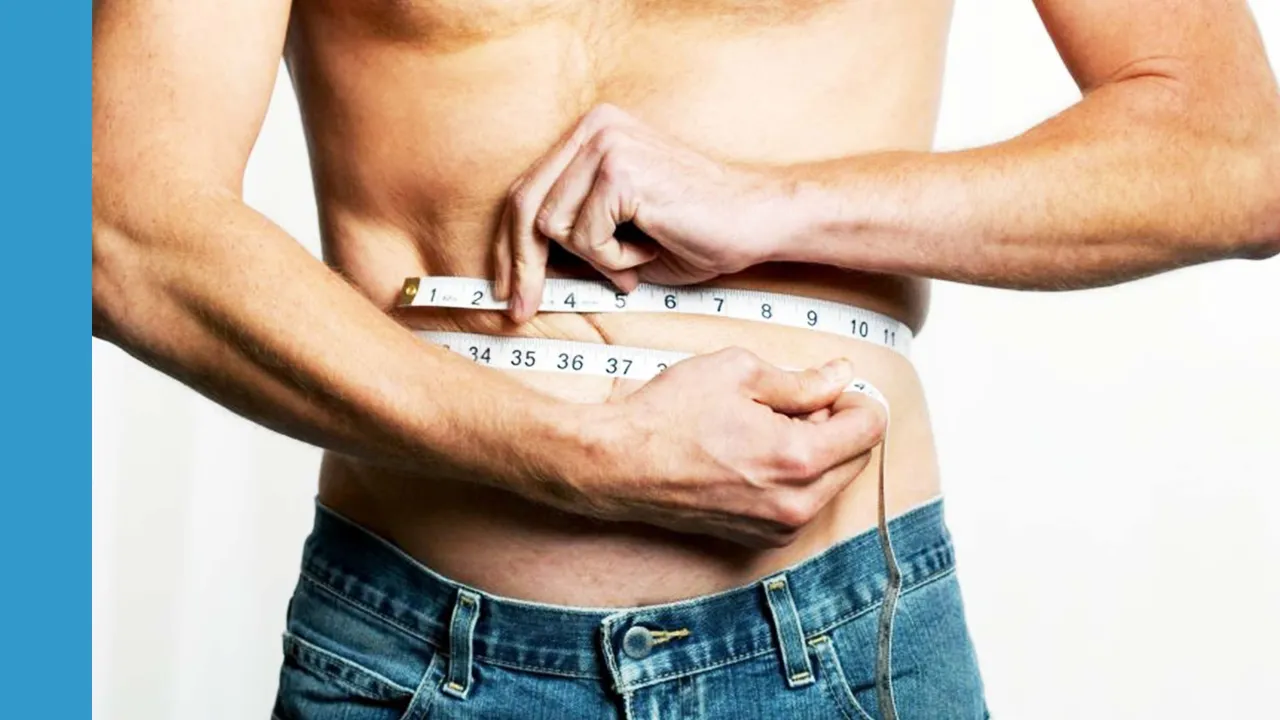
Men’s bodies respond differently to various lifestyle and environmental factors regarding weight management. While some men maintain their weight effortlessly, others struggle with persistent weight gain despite their best efforts. Hormonal imbalances significantly affect how men’s bodies store and process fat. Testosterone, the primary male hormone, tends to decrease with age, leading to increased fat storage, particularly around the midsection. This natural decline can begin as early as age 30, making it increasingly challenging for men to maintain their usual weight.
- Genetic predisposition and metabolism
Every individual seeking Medical Weight Loss in Wellington has unique genetic factors influencing their weight management journey. Some men inherit genes that affect how their bodies process food, store fat, and regulate appetite. These genetic variations can make some men more susceptible to weight gain than others, requiring personalized approaches to achieve and maintain a healthy weight.
- Lifestyle factors affecting male weight gain
Modern lifestyles often contribute significantly to weight gain in men. Sedentary jobs, irregular eating patterns, and stress can all impact weight management. The decrease in daily physical activity, combined with readily available processed foods, creates an environment where weight gain becomes more likely.
- Getting professional help
When traditional methods prove insufficient, many men succeed through Medical Weight Loss Wellington programs that provide structured, evidence-based approaches to weight management. To create personalized weight management strategies, these programs consider individual factors such as metabolism, lifestyle, and health history.
- Sleep on weight management
Research shows that poor sleep quality and irregular sleep patterns can significantly affect weight gain in men. Lack of proper rest disrupts hormones that regulate hunger and satiety, leading to increased appetite and potential weight gain. Establishing healthy sleep routines is crucial for maintaining a healthy weight.
- Stress and emotional eating patterns
Men often experience weight gain related to stress and emotional factors. While society typically associates emotional eating with women, men are equally susceptible to using food as a coping mechanism for stress, anxiety, or depression. Understanding this connection is essential for developing healthy coping strategies.
- Age in weight management
As men age, their bodies naturally undergo changes that can affect weight management. Decreased muscle mass, slower metabolism, and reduced physical activity can contribute to gradual weight gain. Understanding these age-related changes helps in adapting lifestyle habits accordingly.
- Creating sustainable habits
Long-term weight management success depends on developing sustainable habits rather than following temporary solutions. This includes regular physical activity, balanced nutrition, stress management, and adequate sleep. Small, consistent changes often lead to better results than drastic measures.
- Metabolic differences
Every man’s metabolism works differently, influenced by age, activity level, and genetic makeup. Some men naturally burn calories more efficiently than others, which can affect how easily they gain or lose weight. Recognizing these individual differences helps in developing realistic expectations and appropriate strategies.
- Regular health monitoring
Regular health check-ups and monitoring are essential for understanding and managing weight effectively. This includes tracking weight health markers influencing weight management, such as blood pressure, cholesterol levels, and hormone balance.
Setting achievable goals and maintaining a positive mindset are crucial for weight management. Understanding that weight fluctuations are normal and sustainable changes takes time to help maintain motivation and commitment to healthy habits.
